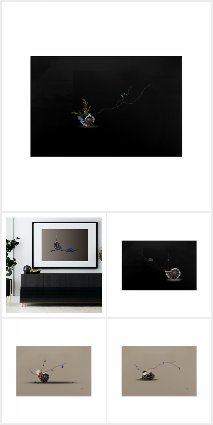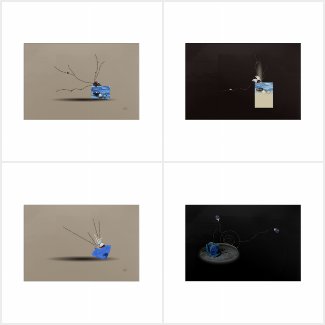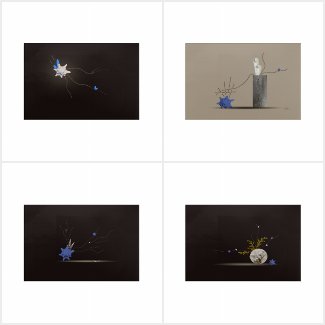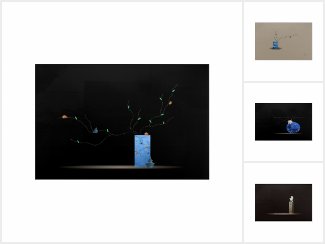
Coastal home decor ideas featuring earthy tones with blue accents

Coastal home decor ideas featuring earthy tones with blue accents

Whether you live by the seaside or not, you can now turn your home into a relaxing seascape with these coastal home decor ideas featuring earthy tones with blue accents.

Scroll down to find out what is a coastal color palette, what are earthy tones, whether blue goes with earthy tones and why you would choose such a combination.

I’ll answer all these questions featuring real products for the home so that you can judge by yourself whether this looks good or not.
coastal home decor ideas featuring earthy tones and blue accents, blue and brown coastal home decor ideas, modern coastal living room, coastal home, modern coastal farmhouse, modern coastal, small living room decor, modern living room ideas, wall decor design, blue color, bright blue, royal blue wallpaper, soft blue aesthetic, light blue wallpaper, brown aesthetic, soft brown aesthetic, brown pictures, brown wallpaper

What is a coastal palette?

A coastal color palette is a range of colors inspired by your typical beach seascape: pastel blues, angry storm blues, airy whites and creams, light beige tints resembling the sand and darker brown shades inspired by driftwood.

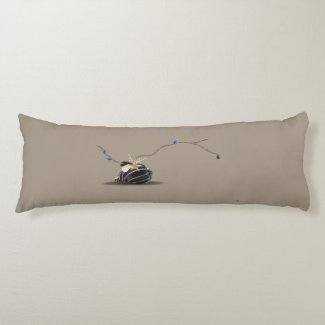
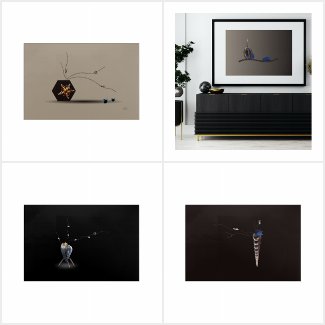
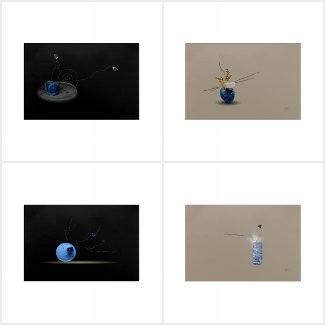
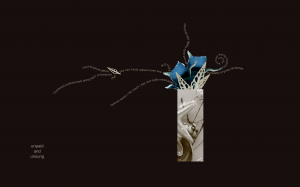
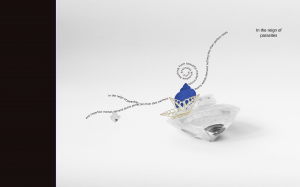
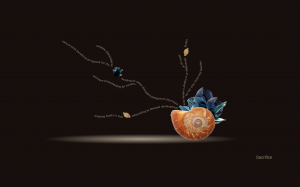
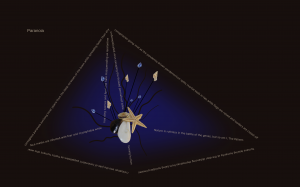
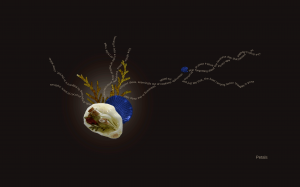
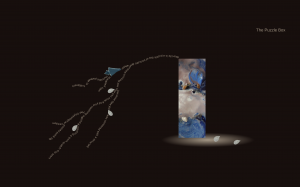
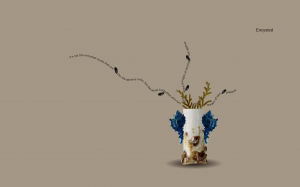
The wall art is one such example where you can notice several hues of brown mixed in with some blue accents. The image is actually a visual poem about the first signs of aging once youth is gone.

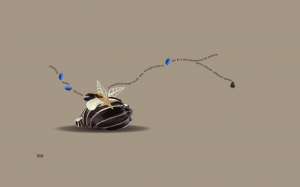
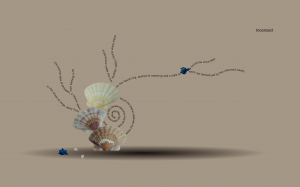
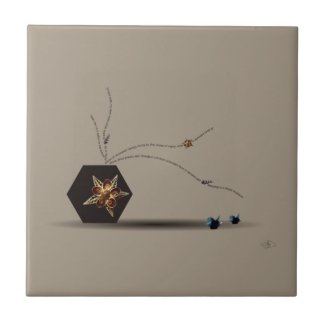
Another example of a coastal color palette is this ceramic tile below, featuring two blue iris flowers resting near a seashell flower hexagonal vase with lots of darker and lighter hues of brown against a sandy and neutral beige background. This beige tile would fit very well in a beach themed bathroom.
What are earthy tones?

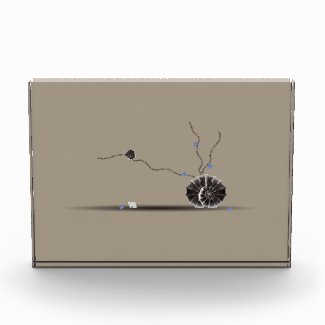
Earthy tones include any color with a bit of brown in it, reminding you of earth, soil or the ground, like in the desk or shelf decor you see below.
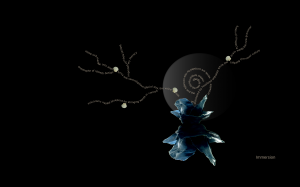
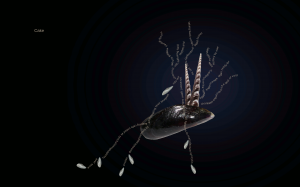
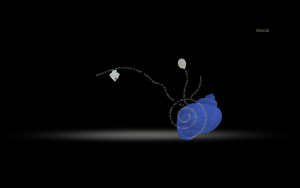
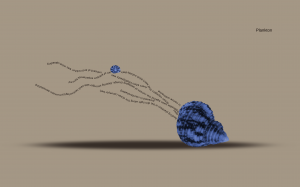
For example, if you mix blue with a bit of brown, you’ll get an earthy blue tone, like you see in the lateral dark blue Murex snail shells from this candy jar.
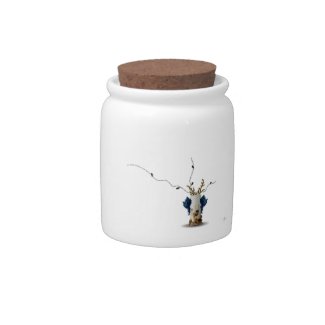
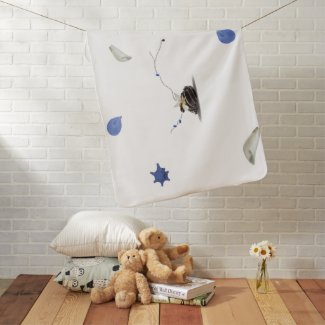
And while we usually associate a coastal seascape with lots and lots of blue, actually there is quite a bit of brown in it from the sand, driftwood or shells, like you see in the coastal baby blanket featured below.
Does blue go with earthy tones?

By being quite dull neutral colors, earthy tones theoretically go well with any other color, just like black and white do, so you can’t go wrong if you pair an earthy tone color with blue.

But the reason for which I favor this combination in just about any visual poem I design is that it represents best the planet on which we both live. We both call it Earth (which is brown), but also The Blue Planet.

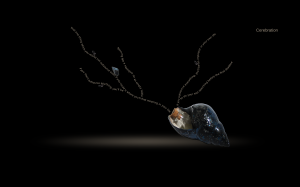
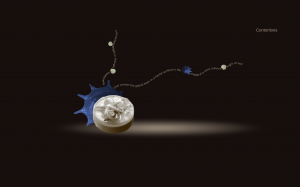
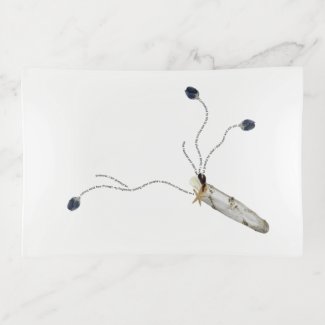
As an example of pairing blue with earthy brown shades, take a look at the visual poem printed on the trinket tray below. It is called “Grateful” and it depicts the irony of being grateful for not getting what I wanted and getting what I didn’t want, which worked out better than expected in the end. The three blue iris flowers from it are actually made of seashells from the Black Sea.
I first got the idea of mixing the earthy tones with the seascape blue hues after finding out about Japanese dry gardens, rock gardens or Zen gardens where sand represents the waves of the sea, while tall stones represent islands or mountains.

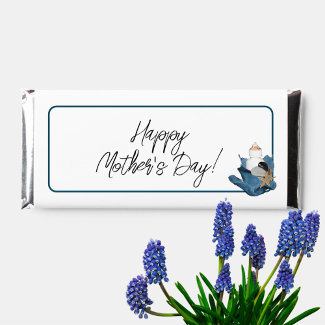
I tried to create such harmony in each of my visual poems and I’d love it if you could tell me in a comment below what do you think about pairing earthy tones with blue accents and whether you’d like this combination in your home. Until then, I’ll leave you with a couple of more examples of coastal home decor ideas to scroll through, finishing with an edible and sweet one 🙂
From beach to shelf: how to organize your seashell collection

From beach to shelf: how to organize your seashell collection, sea life, shelling, shell collecting, shell crafts, sea shells, seashell art, seashell projects, what to do with sea shells, marine biology aesthetic, seashells aesthetic, organize collection, organizer ideas, collection organizing, small home organization ideas, minimalism, minimalist interior, seashell display ideas, collection display, seashell collector, keepsake box, gift box, wooden box, memory box, lip balm, microshells, mason jar, water bottle, marine Ikebana, seashell label organization notepad, minimalist coastal home decor

Do you collect seashells? Then don’t let clutter take over your space and learn how to organize your seashell collection.

From beach to shelf: how to organize your seashell collection, sea life, shelling, shell collecting, shell crafts, sea shells, seashell art, seashell projects, what to do with sea shells, marine biology aesthetic, seashells aesthetic, organize collection, organizer ideas, collection organizing, small home organization ideas, minimalism, minimalist interior, seashell display ideas, collection display, seashell collector, keepsake box, gift box, wooden box, memory box, lip balm, microshells, mason jar, water bottle, marine Ikebana, seashell label organization notepad

I am a seashell collector myself and throughout the years, I learned how to organize my collection both in terms of storage and display.

You may also find this blog post useful if you collect rocks, fossils, coins, sea glass or other small items, but I will focus on shells because this is what I like and what I collect 🙂

My available storage space is tiny. Coupled with being a minimalist, this naturally limited my seashell collection.

And like most seashell collectors, I collect seashells for their aesthetic, but your purpose may be different. Whether you collect seashells for crafts, art, aesthetic value, scientific purposes or even to resell them, you need to read this blog post in order to save time and space.

Here are some things to consider given your purpose of collecting shells and other factors related to the shells themselves:

Do you want to store them, display them or both?

I store most of my seashells in different types of containers in one shelf only and I display some of them by rotation.

If you mainly need to store your shells, it is very important to use an opaque container in order to keep the light out because light will make the colors fade.

You may also choose a transparent container if you want to immediately find a specific shell in your collection or if you want to both display and store your shells, but on the long term and if you care about their natural color patterns, it is best to keep them away from light.

If the container has a lid, you will also protect your shells from dust and your fingers 🙂

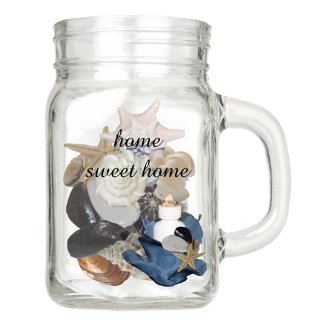
Here is a seashell display idea which could fit in a beach house or a regular home with coastal vibes. I designed this mason jar on a platform called Zazzle (if you click on the image, that is where the link will take you). The image and the text are fully customizable at no extra charge to you.

I designed this blue iris coastal mason jar as a clutter-free way to display beautiful seashells or small decorative objects. You can easily change the “home sweet home” text, the background color (which is currently set to none) and you can transfer this design to any different product from the Zazzle platform.

But apart from whether you mainly want to store or display your shells, there is another important factor to take into consideration when choosing a container.

What is the size and/or shape of the seashells from your collection?

These things matter if the shells are to fit the container of your choice.

In order to avoid keeping them loose, you also don’t want to put small shells in a big container. Besides, it’s a waste of space.

I collect regularly sized seashells, but also microshells and I group them by size, place of origin and on whether they were bought or beachcombed by me.

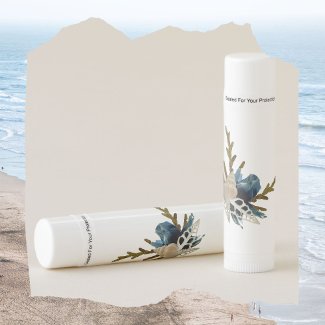
If you are also one of the rare people who collects microshells, here is an example of a tiny container in which I store them: a lip balm past being used for its initial purpose. I also like to store sewing needles in lip balm containers, but that’s a different story.

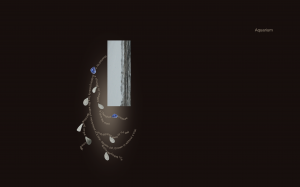
The lip balm below features a typical marine Ikebana bouquet made of a blue iris sculpture, some green foliage in the background, a white seashell cut like a leaf and one of my favorite seashells which I bought from Japan: the precious wentletrap or Epitonium scalare.

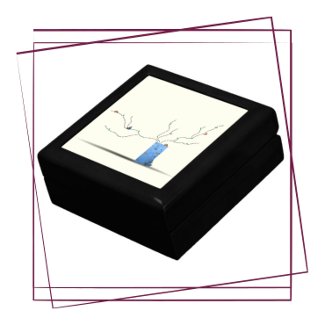
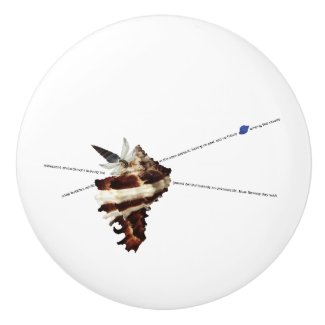
Apart from tiny containers for microshells, I store larger seashells in keepsake boxes like the one below. The lid from this box features a visual poem written by me, called “Scar Collector”. The poem itself is a play on words between how a pearl is formed by an irritant entering the mollusk shell, the growth process of a typical shell (larger ones being older) and how we, humans, accumulate scars, both physical and mental, as we grow up and grow older.

The marine Ikebana artwork is similar to a Japanese Ikebana flower arrangement, but instead of plant material, I use seashells and lyrics. The graphical part of the poem includes many shells, among them a blue painted part of my favorite seashell: Thatcheria mirabilis or the Japanese wonder shell.

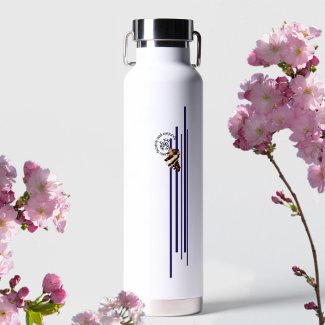
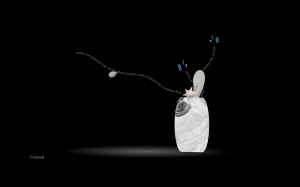
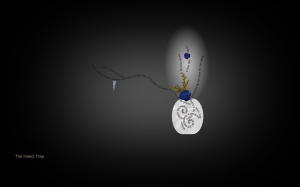
I also store some seashells in wide mouth bottles. The one below features another visual poem written by me, called “The Ink Pot”. The shape and the lyrics of this poem assemble a metaphor of nostalgia flowing from an ink pot I found at home. In my time, fountain pens is what we used to write with during primary school and finding that ink pot brought back so many memories from my childhood.

Meanwhile, for both practical and environmental reasons, I quit using ballpoint pens and I got back to using a fountain pen which I periodically refill from an ink pot 🙂

And speaking of fountain pens and writing, here comes the last thing to take into consideration when organizing your seashell collection.

Do you need to keep proper records for each shell?

If you collect seashells for scientific purposes or if you specialize in rare shells which you may want to sell one day, it is important to maintain proper records for each seashell.

In practice, this means storing a card or a label with each shell and/or keeping a computer database for your whole seashell collection.

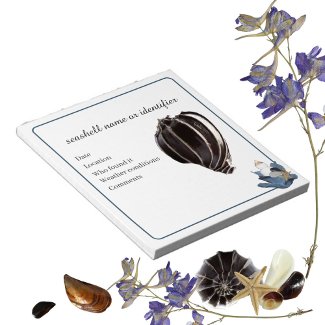
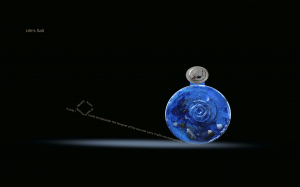
To save you time, I created a design template for the shelling notepad below. The notepad has 40 easy tear-away pages and the design is printed on each page.

The shelling notepad includes text fields for the date and the location of the find, who found the shell, weather conditions during the find and any other comments you may want to jot down, including the name of the species if you know it or if you can find it.

You can customize the text fields, change the rectangle color or the background color (which is currently set to none). You can either delete the text that reads “seashell name or identifier” or customize it with the name of your seashell collection or a specific name of a part of it, like a certain group of shells.

And with that being said, we reached the end of this blog post on how to organize your seashell collection. Now it’s your turn: how do you store or display your seashells? I’d love to hear from you in a comment below!

12 types of seashells I used to create coastal wall art & decor you may not have heard of

12 types of seashells I used to create coastal wall art & decor you may not have heard of, home decoration, coastal home, interior, apartment aesthetic, sea shells, seashell wall art, home decor ideas, wall decor, desk decor, living room decor ideas, blue aesthetic, blue beige brown living room, wabi sabi style, poems about self growth, my dream house, modern coastal living room, beach house, coastal style

Are you looking for unique and golden ratio based coastal wall art & decor? Then check out these 12 types of seashells I used to create floral and coastal art shaped as visual poems.

Many years ago I decided to get rid of all of my print books and switch to an e-book reader. I was tired from carrying heavy books whenever I moved and while I did switch to an e-book reader in the end, there were a few books I couldn’t part with. One of these was a seashell encyclopedia. At the time, that was my only book on the topic and while I could find online just about anything I could desire as a seashell collector, I kept the printed version for those times when I had enough screen time and enough ugliness surrounding me and I just needed some quiet time to see something really beautiful. I also kept two exotic seashells I bought during college: a beige Murex shell with lots of spines and a dusty red Turritella shell.

Fast forward to 2022, my seashell collection grew and so did my awareness on where I source them from. I was never in the habit of picking lots of them when beachcombing, but I was unaware of the industry that exists behind the seashell trade which sources them while still alive. I was under the false impression that all the shells found in tourist shops by the seaside were simply beachcombed after the mollusks died anyway.

The seashells I used below were partly picked by me and partly bought and here is a list of 12 common and not so common types of seashells I used to design coastal wall art & decor you may not have heard of.

12 types of seashells I used to create coastal wall art & decor you may not have heard of

1. The Japanese wonder shell

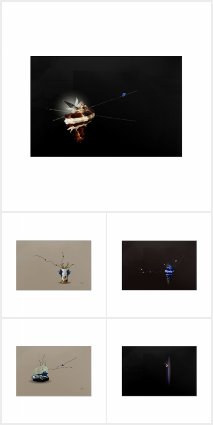
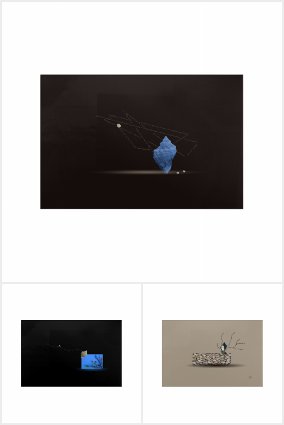
I’ll start with my favorite one: Thatcheria mirabilis or the Japanese wonder shell. I initially saw this seashell on the cover of the aforementioned encyclopedia. I have just one such seashell which I bought from a small Japanese island called Miyajima which is very close to Hiroshima. By the way, shima or ĺłś in Japanese means island and Miyajima is the place to go in Japan if you’re a seashell collector. While naturally a yellowish white or beige shell, I painted mine with blue acrylic paint. Here are some concrete poems in which I used the Japanese wonder shell as the Ikebana vase from which the lyrics flow.

2. The triumphant star turban shell

Guildfordia triumphans or the triumphant star turban shell is another shell I bought from that small Japanese island. I kept it in its natural dusty pink color, but in some poems it appears blue because I added a digital filter when I designed those. I used it to decorate a lid from a box (you can see the box with its lid in one of the poems from the collection below if you click on it) and after photographing that box, I used that cropped outline in many other poems.

3. The Turritella shell

Turritella is actually a family of seashells, the common denominator being their very tightly coiled shells. I have just one such seashell which was originally dusty red in color. I vaguely remember I bought it many years ago from the Romanian coast of the Black Sea. In the end, I used acrylic paint to change its natural, warm color to a gradient color palette starting from chocolate brown to a cappuccino beige shade. You can see the result below.

4. The Murex snail shell

While most snails we call murex are part of the Muricidae family, many were regrouped in other genera. I used two such sculptural seashells in my poems, one with brown stripes in its natural color palette and another one I painted in blue. I sometimes added a blue digital filter to the brown Murex shell.

5. Mussels

Mussels are very common along the Black Sea shoreline. I mostly used them as details in the concrete poems because their elongated shape resembles leaves, but there are some poems in which I used one mussel as the main vase from which the coastal Ikebana arrangement emerges. I also used mussels to make an iris flower by gluing them around a tiny bottle, as you can see with the iris bud from the collection below.

6. Scallops

During the last years, I found more and more scallops along the Black Sea shoreline and I don’t remember seeing any when I was a child. I’m not sure about the cause of it, but I’m sure these are beautiful seashells and I used them whenever I needed to make use of their fan shape. The blue ones featured in the poems below were painted with acrylics and the cream beige ones still hold their natural color.

7. The rapa whelk shell

Rapana venosa is a predatory snail from the Muricidae family mentioned above, but I count it separately due to its subtle color and even smoother surface compared to the usual Murex shell full of spines. It is almost impossible to take a walk along the Black Sea shoreline and not find one of these shells.

8. The precious wentletrap shell

There are a couple of very tiny pink Epitonium seashells I found along the Black Sea shoreline which I used as poetic elements, but its larger relative depicted here, Epitonium scalare or the precious wentletrap, is a seashell I bought from Japan. It is naturally a subtle white to beige or even pink. The blue version you see below was achieved with a digital filter I applied after photographing it.

9. The harp shell

I’m not sure about the precise name of the species, but this is definitely a harp shell. I bought it from Japan and I painted the shell in chocolate brown, decorating its vertical ribs with a layer of cappuccino beige acrylic paint. It was already brown, but its natural pattern was a bit spottier and I think it looks better with this clear color palette of just two shades of brown. It is one of my favorites and I used it in many visual poems.

10. Clams

The clam is a staple of the Black Sea shoreline. I used clams in their natural color, but I also made a blue painted lotus flower out of them as you can see in the shape poem from the collection below. Some clams I used were from Japan.

11. The queen conch

I bought this conch from Japan and given its pink color and typical shape, it is probably a queen conch. The one I have was a bit broken and given its size, it was probably an adult when harvested. In my poems I only used its top part as seen in a cross section because it resembles a flower and I thought that works well in an Ikebana arrangement. I sometimes added a blue digital filter to create the illusion of blue flowers.

12. Microshells

I’ve been walking on sand so many times without knowing there are microshells hidden there. I found about their existence from that seashell encyclopedia I mentioned in the beginning and once I started looking at sand with a glass magnifier, I was amazed by the sculptural shapes I found. Many of these species are probably not even described. Here are a couple of concrete poems in which I included many such microshells.

The list of seashells I used just came to an end. You may not have heard about some of the lesser known seashells mentioned above, or did you? Which is your favorite? Leave a comment below and let me know!

How to read marine Ikebana poetry

How to read marine Ikebana poetry, poetry quotes deep, poetry books, poetry aesthetic, Ikebana flower arrangements, marine biology aesthetic, maritime art, poems on life, poems about self growth, self care aesthetic ideas, self care routine, self care quotes, cozy house, introvert quotes, introvert aesthetic, solitude quotes spiritual, hobby ideas, what to do, things to do when bored at home, bored ideas, inspo quotes, inspirational words, inspirational quotes positive

A question I get asked often is how to read marine Ikebana poetry.

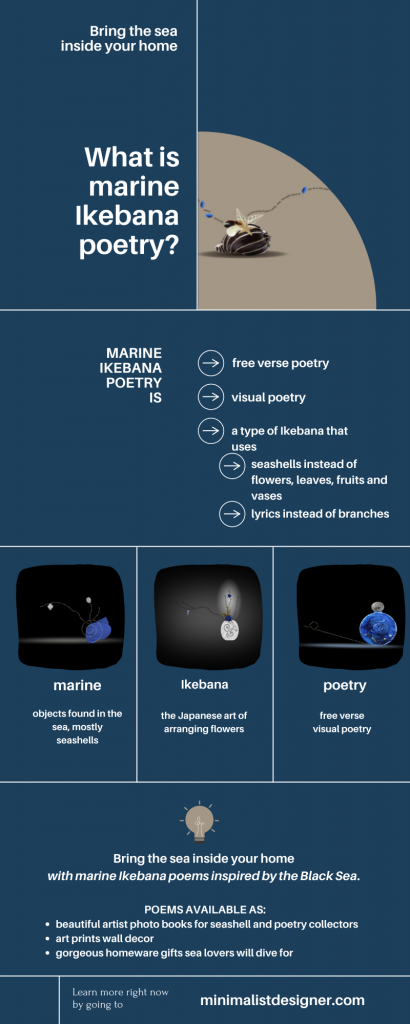
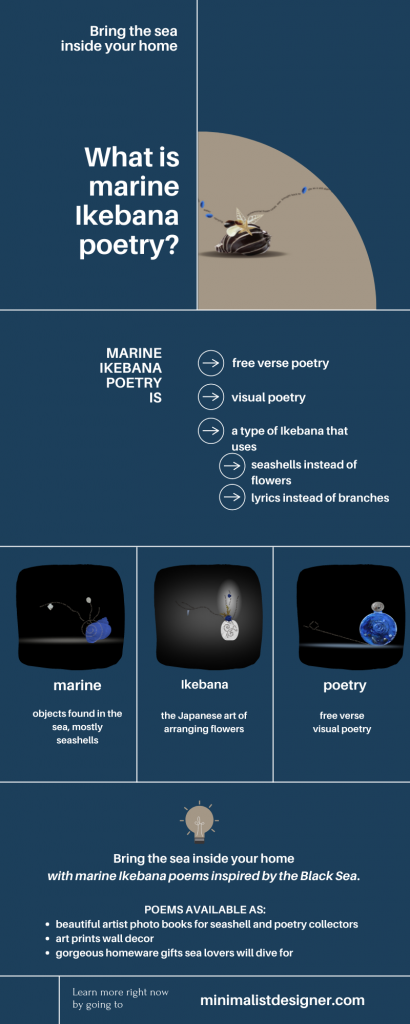
If you don’t know what marine Ikebana poetry is, please take a look at the infographic below.

How to read marine Ikebana poetry Infographic on what is marine Ikebana poetry such as free verse poetry, visual poetry, a type of Ikebana flower arrangement that uses seashells instead of flowers, leaves, fruits and vases and lyrics instead of branches, using marine objects found in the sea, mostly seashells. Marine Ikebana poems available as: beautiful artist photo books for seashell and poetry collectors, art prints wall decor, gorgeous homeware gifts sea lovers will dive for
Infographic on what is marine Ikebana poetry such as free verse poetry, visual poetry, a type of Ikebana flower arrangement that uses seashells instead of flowers and lyrics instead of branches, using marine objects found in the sea, mostly seashells. Marine Ikebana poems available as: beautiful artist photo books for seashell and poetry collectors, art prints wall decor, gorgeous homeware gifts sea lovers will dive for
How to read marine Ikebana poetry Marine Ikebana poetry is free verse poetry, visual poetry, a type of Ikebana flower arrangement that uses seashells instead of flowers and lyrics instead of branches, using marine objects found in the sea, mostly seashells. Marine Ikebana poems available as: beautiful artist photo books for seashell and poetry collectors, art prints wall decor, gorgeous homeware gifts sea lovers will dive for
How to read marine Ikebana poetry

As a general rule, you can read a visual poem in two ways:

1. notice the visual part first and then work your way through the text OR

2. read the words first and then analyze the shape of the poem and any other visual elements from the page

I find it hard to notice the text first as visual images are faster to process, but that’s just me.

Depending on what the marine Ikebana poem is displayed or printed on, the text may not even be that easy to read, but you can still distinguish the main elements of an Ikebana flower arrangement:

  • the structural elements like the Ikebana container and the emerging branches from it
  • the ample use of open space
  • the wabi sabi aesthetics
  • the inherent asymmetry in how the branches and their elements are displayed in space. Line as an element is rarely used in non-Japanese bouquets, but it plays a major role in Ikebana.
  • the use of floral elements in different stages of life.

Marine Ikebana poetry compositions are different from what you may learn in Ikebana schools:

  • Such an arrangement contains no living element. This is quite anathema in classical Ikebana and Japanese culture in general where freshness is valued. I valued keeping flowers alive and using marine memorials instead.
  • So instead of flowers, each arrangement contains sculptural seashells of various sizes representing different stages of life.
  • I reduced the color palette to the minimum by including the colors of the sea and the earth only, with a few accents of black and white where I deemed fit. Every visual poem has at least a touch of blue to signify that life as we know it can’t exist without water.

I designed each marine Ikebana poem like a puzzle.

It may take a couple of reads (maybe even some rotations of the book or print or whatever medium you’re reading it from) before you put all the pieces together so that the lyrics flow logically from one to another just like a rivulet smoothly flows into a river and from there into the big sea. It’s just like in life where you may need some trial and error before you figure out the big picture of what you really want to do with it.

As regards the poetic part of these collages, each major line of poetry starts from the Ikebana vase which is the largest seashell you first notice, with shorter branches flowing away from the longer ones. In some poems, the major lines of poetry end in the Ikebana vase or there may be a combination between the two ways of reading the lyrics.

In rare occasions, background poetry text displayed in a circle, spiral or star shape is read on its own with no reference to the vase and that text is included to complement the main story of the marine Ikebana arrangement. Either way, as a general rule, at least in English, the lines of poetry are always read from left to right as is usual in this language.

If you’re unfamiliar with this type of visual poetry, take a look at the video below and don’t forget to subscribe to my YouTube channel on marine Ikebana poetry!

Video on Diamond Dust (Poems From the Black Sea) artist photo books for seashell and poetry collectors

I included many rare words in my poems, just because they sound nicely. I didn’t include this one below, but thought of adding it here because it’s one you probably never heard of:

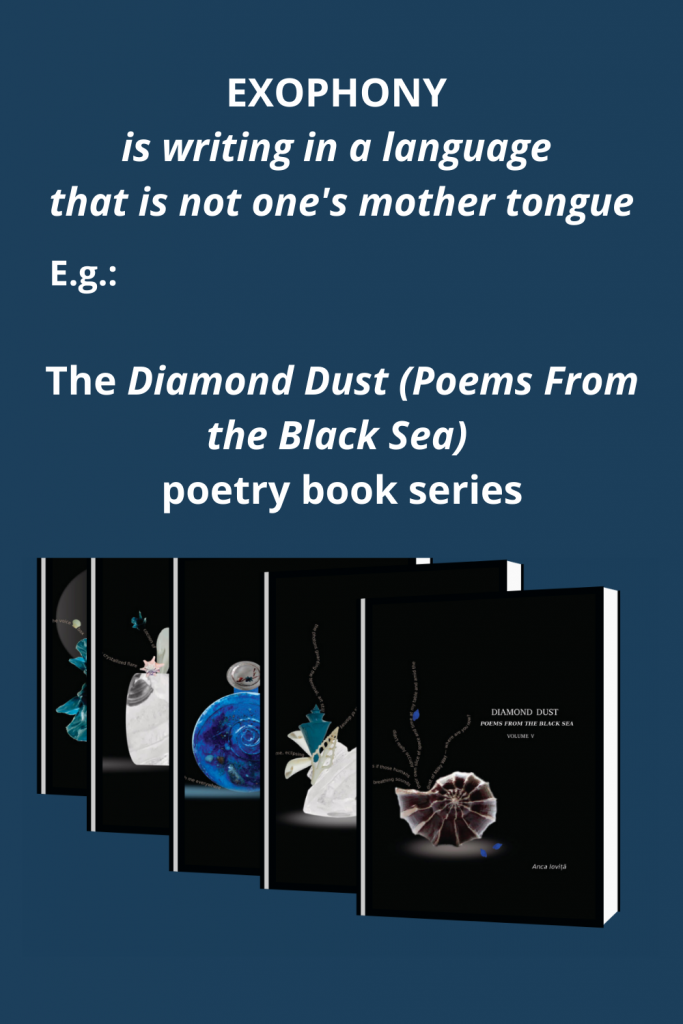
Exophony is writing in a language that is not one's mother tongue, e.g.: the Diamond Dust (Poems From the Black Sea) poetry book series
Exophony is writing in a language that is not one’s mother tongue, as for example the Diamond Dust poems series

Free Vitamin Sea And The Premium Blue Space Effect

If you’re reading this blog post, most likely you live on the blue planet as well and you need vitamin sea more than you think.

I’ve been living my whole childhood near water as I gazed through the window from my blue-decorated room filled with 4 aquariums at a time (yes, four!) and when I moved to a big, crowded, landlocked city I didn’t know what was missing, even as I had all the cognitive stimulation I craved for so long. Unfortunately, I still don’t live near water for reasons that I can’t fully control, but I schedule time to be around or in water as much as possible.

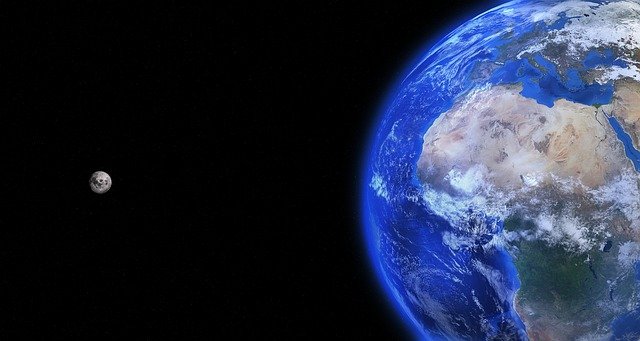
Blue planet image to underline the importance of the blue space effect and vitamin sea for human health
Image by Arek Socha from Pixabay
Image by Arek Socha from Pixabay 

Blue spaces include any body of water such as a fountain, a hot spring, a pond, a lake, even a sea or an ocean if you live in a coastal area. Being near them for extended periods of time has several health benefits:

  • You are more likely to walk if the space around you is beautiful, wide and open. If you walk more, you are less likely to mismanage your weight.
  • You are likely to breath better from all the mist of a water environment, especially if you breathe in that salty sea breeze.
  • Your mental health is likely to be better overall whether that is due to the sense of calm blue spaces induce when being around them or due to the increased rate of water-related activities such as swimming, surfing or sailing.
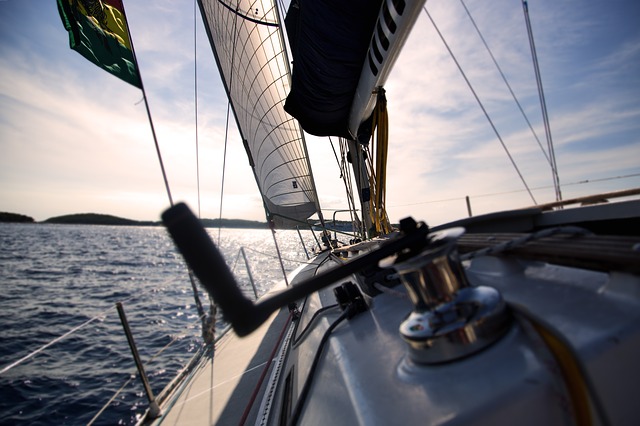
Sailing boat image to underline the importance of vitamin sea and the blue space health benefits effect
Image by Pexels from Pixabay 

The impact of all these premium health benefits on humans describe the blue health effect and ever since I found a name for it, I not only took the liberty to go to the seaside more often, I also took this into consideration when creating my type of art: marine Ikebana poetry.

Here are the blue space effects I took into consideration while creating my art:

  1. I care about mental health preservation and improvement so I didn’t want my art to shock people or induce disgust. At most, I wanted it to make people reflect on things they may find uncomfortable, sometimes by using complex words, but the visual aspect should never be ugly or disgusting and the overall effect of my art should be to induce calmness. Hence when creating my compositions, I frequently used the golden ratio, lots of open spaces, the wabi sabi philosophy and I included a bit of blue in just about every visual poem I wrote and published.
  2. Not only that I used blue in all of my poems, but the designs themselves are inspired by the seaside, namely the Black Sea coastline which I go to so often. I can’t always stay overnight, but I often go there just to walk a couple of hours by the seaside, be it summer or winter, sunshine or rain or snow, I don’t care. Most of the seashells used in these visual poems were collected from the Black Sea, albeit a few of them were bought from Japan and elsewhere in Asia.
  3. The cleaner the water, the more intense the blue space effect can be. This is the reason for which I brainstormed a lot while soul searching in defining my type of art and a first solution I found was to manufacture everything as print on demand to avoid filling the world with unwanted books, art prints, home dĂŠcor objects, merchandise or gifts. I already used this business model when releasing my previous three books on gerontology and this time, I wanted to try it in the art field as well.
  4. I don’t wish people spend even more time in front of their computers than they already do for work or leisure or both. Those short walks by the seaside I take are truly one of the rare cases when I’m truly offline and I get so refreshed not only from that fresh salty air, the exercise I get from walking a couple of hours, but also from all the new ideas I get. It is way too easy to be attracted by the digital realm and forget how to inhabit your body and reflect on life. Hence I took the decision to offer my creations as print only. Even if you can view or buy them online, you don’t have to spend time in front of a screen in order to enjoy the hardcover photo book series, the art prints or the homeware.

Some people may dream about reaching for the stars, but reaching for the seaside is good enough for me.
How about you?

Share this post to spread the word!

Black Sea coastline, photo taken by author

2.5-year update on how I turned Japanese learning into an alternative art education

Japanese art education, japanese art styles,Traditional Japanese arts and crafts, japanese aesthetic principles, japan aesthetic principles, learn japanese duolingo, fluentin3months japanese, japanese writing quiz, japanese hiragana, japanese katakana, japanese kanji, japanese reading practice, esperanto language,multiple choice quiz, spaced repetition system , jplt levels, italki japanese, how to type in japanese, jisho app, michiko app, how to read in japanese, japanese english dictionary , Aozora Bunko, Japanese art books, Japanese craft books, gamification in education,

Two years and a half passed since I got back to learning Japanese after a 10-year gap during which I let the desire to speak and write fluently in this language to simmer quietly in my brain. As I wrote in the first post from this series of updates (link here), my sense of aesthetic is very influenced by the Japanese culture and I expect to progress as an artist and designer once I’ll be able to dive into this kind of art without the shackles of English.

After almost 4 grueling years in which I focused to create the Diamond Dust (Poems From the Black Sea) series of books, I can finally relax having published it and increase the time I spend learning and using Japanese every day. What I started doing differently now is reading easy Japanese texts. As long as I can use the crutch of furigana, I find it a lot of fun to read in this language.

I was already practicing reading in Japanese by making a habit of searching art keywords on Pinterest in this language, yet reading whole sentences makes the retention of the little Japanese I know a lot more lasting, it seems.

As life went on, a pandemic swept throughout the world and the way I continued to practice Japanese every day changed, but my motivation for one day becoming fluent in it did not wane.

My staples in learning it are still mobile apps. During the lockdown, I have stopped using Clozemaster but I have continued using Duolingo and JA Sensei.

Duolingo is very good for the ease with which a streak can be maintained so I have no excuse of not using some Japanese every day, no matter how busy and tired I may be. Meanwhile, Duolingo added a lot more lessons for Japanese which should be the equivalent of JLPT N4 by now, if the whole tree is finished (which is not my case yet). Duolingo also added a separate tab for learning hiragana and katakana. I already knew these from the usual Japanese course there, but I found the ease of learning how to write these better than on any other app I used and this time I finally found a way to use those Duolingo lingots (now called gems) by skipping levels when rehearsing lessons until I reach Level 5, the maximum one.

I also tried the Premium version in August: I didn’t find the offline lessons useful as they’d only clutter my phone’s memory. It was nice to do progress quizzes from time to time, but that’s about it.

Clozemaster seemed to reset the streak at the same hour each day, with no possibility of extending the streak if I happened to do the exercises in the early morning one day and late at night during the next day. This and the app lacking some visual crutch for the exercises (no images, old graphics) made me just uninstall it.

JA Sensei is still something that I use – I wish it had a streak to motivate me even more (it has some notifications now). Even here I changed the way I use the app, having downloaded the vocabulary from JLPT 1-5 and regularly reviewing and learning new words. Initially I decided to first learn the JLPT 5 vocabulary, then 4 and so on, but I noticed there were words I already knew from the upper levels and it would have been a pity to not review them as well. Nowadays I also rehearse pronunciation by using speech recognition when learning the JLPT vocabulary and I do my best to learn 10 new words per day and review a set of 30 words x 5 JLPT levels per day. For a while, I did phrase quizzes and kanji radical quizzes as well. Those kanji radical quizzes were extremely useful to guess the meaning of any kanji I may stumble upon and to search for the meaning of a kanji by using a print dictionary. The audio parts were also useful in getting used with Japanese sentences instead of words only, but for the moment, I focus on increasing my vocabulary with this app as preparation for heavier reading in printed Japanese where I may not understand the whole word, but I could guess some meaning if I saw the kanji side by side.

An app which I didn’t quit, but just put on hold is italki. I found it very cumbersome to schedule lessons and a lot easier to learn on the go with Duolingo and JA Sensei whenever I had some free minutes. Yet I admit the live feedback I received from the lessons there made the app worthwhile, just not on a daily basis as the other two.

A new resource I found is a website called supernative.tv with bits of Japanese from movies used as quizzes, including ones where the response was given by speech in order to practice talking in Japanese too. I don’t use this every day because it works better on the laptop than on the phone.

Video is my least liked format in which to learn, so forgive me if the idea of turning subtitles on in Japanese or English and improving my Japanese vocabulary this way is an idea that came to me so late.

The Covid-19 pandemic changed my plans about yearly JLPT testing which was canceled where I live. I was under the false impression that I could always just test myself with JCAT online, but it seems this test only works on tablets now. It’s also not free anymore, although if it worked seamlessly like last year, I would have paid for it.

As inspired by my child who is just learning her first words, I tried a couple of Japanese apps for toddlers learning this language. They are all in hiragana and katakana and the words are quite easy, but a lot of fun to use and easy to remember through the instant feedback I get from these toddler games. Inspired also by my child who learns a lot from music, I listen to Japanese songs from time to time, reading the lyrics on the screen, like this one I particularly like:

Ideas for the future include trying a laptop with a Japanese keyboard and operating system and also using VR and AR to force me to talk in Japanese, but in the meantime, my goal in the near future is to develop a habit of not only using Japanese every day (the easiest way is to just maintain my Duolingo streak and I already do that), but to read sentences every day.

Here are some resources I use for that:

Wikipedia in Japanese

MATCHA-JP.com/easy

This list of Japanese reading practice websites from TeamJapanese

I now reached a point where I make daily use of Japanese and for the first time in my life, I think I’m on the right path to become fluent in it. This doesn’t mean I don’t look for additional hacks to learn it even faster. If you know of any such resource for learning Japanese or learning a foreign language in general, I’d love to hear it!

Diamond Dust (Poems from the Black Sea): a book series of poetic marine Ikebana compositions [PRESS RELEASE]

Written by Anca Ioviţă and originally published on https://zexprwire.com/diamond-dust-poems-from-the-black-sea-a-book-series-of-poetic-marine-ikebana-compositions/

December 3, 2020, ZEXPRWIRE, Published on November 9th this year, Diamond Dust (Poems from the Black Sea) is the latest release authored by Anca Ioviţă.

Diamond Dust (Poems from the Black Sea): a book series of poetic marine Ikebana compositions [PRESS RELEASE]

Diamond Dust (Poems from the Black Sea) is a series of 5 volumes and contains a collection of visual poems created in eye-catching patterns in a new style of Ikebana (the traditional art of flower arrangement from Japan), called “marine Ikebana” by the author. The result is a unique display of emotion with the right balance of nostalgia, the poems being spun around the impermanence witnessed by the author with a medical background.

“The scientific branch of medicine helps sustain life during emergencies, but the beauty of art makes those added moments of life worth living for.” stated the author in the introduction of the book series. 

“I am an avid collector of seashells, an interest that started during childhood, but which only during the last 4 years found a home in the world of arts when I started creating Ikebana arrangements without living flowers, in a new style I call “marine Ikebana”. The seashells from my collection decorate the arrangements, with leaves, flowers and buds replaced by the former real estate of mollusks and my lyrical thoughts form the structure of the branches.” she further added when briefing about the books.

The nautical imagery and the aquatic words assembling this book series would be greatly appreciated by shell collectors with an appreciation for Ikebana and minimalist art in general.

A lifelong polymath whose vice is indulging in lifelong learning, the author Anca Ioviţă went from arts to humanities to engineering to medicine and is continually using all those experiences to bring to life new books and other creative projects as well as constantly trying out new career fields. She has several other books to her credit.

The 5-volume photo book series is available in print as hardcover only. Visit  https://minimalistdesigner.com/diamond-dust-poems-from-the-black-sea/ for more information. Buy it from https://www.blurb.com/user/ancaiovita.

Issued By –
Name: Anca Ioviţă
Email: anca@minimalistdesigner.com

Diamond Dust (Poems From the Black Sea)

Welcome to the world of marine Ikebana poetry, an innovative genre you can enjoy seeing and reading inside the quality pages of the Diamond Dust (Poems From the Black Sea) photo book series!

First, what is marine Ikebana poetry?

Ikebana is a traditional Japanese art form of flower arrangement. The aesthetics involved in such bouquets is very different from what you’ll see in the West, but if you prefer a minimalist style, muted colors and lots of open spaces, you’re going to LOVE it.

Marine Ikebana poetry is a genre of visual poetry first brought to life with the Diamond Dust (Poems From the Black Sea) poetry albums. Such visual poetry is inspired by Ikebana, but uses lyrics or verses instead of branches and marine seashells instead of planters, pots, flowers and leaves.

Infographic on what is marine Ikebana poetry such as free verse poetry, visual poetry, a type of Ikebana flower arrangement that uses seashells instead of flowers and lyrics instead of branches, using marine objects found in the sea, mostly seashells. Marine Ikebana poems available as: beautiful artist photo books for seashell and poetry collectors, art prints wall decor, gorgeous homeware gifts sea lovers will dive for

What are the poetry themes included?

Below you’ll find some poetry themes examples.

The Diamond Dust (Poems From the Black Sea) includes:

  • short poems on pregnancy
  • poems on motherhood
  • poems about childbirth
  • poems about art and creativity
  • poems about artists
  • poems about nature
  • famous poems on mortality
  • poems on grief and mourning
  • visual poems about life
  • poems about isolation
  • poems about confinement
  • poems about the sea
  • poems about science and its importance
  • poems about plastic pollution as well as poems about single use plastic
  • poems about imperfection and the search for perfection
  • poems about diamonds and poems about the carbon cycle
    • Plus the following types of poems:
  • poems that don’t rhyme
  • poems that don’t look like poems
  • poems visual imagery
  • short visual poems

If you’re looking for a beautiful example of coffee table poetry books, this is it! You’ve come to the right place and the only thing left is to order one or several books from the Diamond Dust (Poems From the Black Sea) series to arrive at your doorstep.

The hardcover photo books can be ordered from:
https://www.blurb.com/user/ancaiovita

The photo books can be shipped to the following countries and territories:
Argentina, Australia, Austria, Belgium, Bermuda, Brazil, Bulgaria, Canada, Cayman Islands, Chile, Colombia, Croatia, Cyprus, Czech Republic, Denmark, Estonia, Finland, France, Germany, Greece, Guadeloupe (French), Guam, Hong Kong, Hungary, Iceland, India, Indonesia, Ireland, Israel, Italy, Jamaica, Japan, Latvia, Lithuania, Luxembourg, Macao, Malaysia, Malta, Marshall Islands, Mexico, Micronesia, Netherlands, New Zealand, Northern Mariana Islands, Norway, Paraguay, Peru, Philippines, Poland, Portugal, Puerto Rico, Reunion (French), Romania, Saint Barthelemy, Serbia, Singapore, Slovakia, Slovenia, South Africa, South Korea, Spain, Sweden, Switzerland, Taiwan, Thailand, Turkey, United Arab Emirates, United Kingdom, United States, Uruguay, Vietnam, Virgin Islands, Virgin Islands (British)

The paperback photo books can be ordered from Amazon as well as from several US and UK bookshops.

Introduction from the Diamond Dust (Poems From the Black Sea) photo book series

The Black Sea doesn’t ship the most colorful or ornate seashells on its beaches, yet restrained in spines and threatening colors, such smooth seashells in muted colors form the pillars of this collection of designs. New life was blown into such pieces as they became the vases, the leaves, the flowers and the buds of the offbeat marine Ikebana compositions you are about to see.

Sometimes met with anxiety and other times met with nostalgia, impermanence is the main yarn spun throughout these visual poems where I talk about the effort poured into creating quality art that ends up forgotten and into raising minds shining like diamonds who nevertheless crumble into dust. I also talk about serendipitous artifacts of nature that nevertheless last far longer than expected. Carbon life forms that switch places on the wheel of life and death as well as carbon that turns into diamonds. Apparently timeless diamonds that reenter the cycle of carbon once turned to smoke and ashes.

Throughout all these yarns, aquatic words form the skeleton of this volume: from blue open space to subtle waves, snow flowers, lyric seascapes and swimming letters, water permeates these pages even if the books you are about to hold are dry.

Many poems are colored by my medical background as I talk about the art of making art out of disease and spinning suffering into something not necessarily worthwhile, but at least bearable. The scientific branch of medicine helps sustain life during emergencies, but the beauty of art makes those added moments of life worth living for. Inspiring art will not relieve an asthma attack, but it may make searching for hard-to-find medical help worthwhile.


Visual poem excerpts from volume I


Click on the link below that will take you to Blurb if you’d like to order Volume I of the “Diamond Dust” book series!

If the link below doesn’t work, copy and paste it in your browser:

https://www.blurb.com/books/10428202-diamond-dust-poems-from-the-black-sea-volume-i

Diamond Dust (Poems From the Black Sea) Volume I
Diamond Dust (…
By Anca Ioviţă
Photo book

Visual poem excerpts from volume II


Click on the link below that will take you to Blurb if you’d like to order Volume II of the “Diamond Dust” book series!

If the link below doesn’t work, copy and paste it in your browser:

https://www.blurb.com/books/10428212-diamond-dust-poems-from-the-black-sea-volume-ii

Diamond Dust (Poems From the Black Sea) Volume II
Diamond Dust (…
By Anca Ioviţă
Photo book

Visual poem excerpts from volume III


Click on the link below that will take you to Blurb if you’d like to order Volume III of the “Diamond Dust” book series!

If the link below doesn’t work, copy and paste it in your browser:

https://www.blurb.com/books/10428217-diamond-dust-poems-from-the-black-sea-volume-iii

Diamond Dust (Poems From the Black Sea) Volume III
Diamond Dust (…
By Anca Ioviţă
Photo book

Visual poem excerpts from volume IV


Click on the link below that will take you to Blurb if you’d like to order Volume IV of the “Diamond Dust” book series!

If the link below doesn’t work, copy and paste it in your browser:

https://www.blurb.com/books/10428842-diamond-dust-poems-from-the-black-sea-volume-iv

Diamond Dust (Poems From the Black Sea) Volume IV
Diamond Dust (…
By Anca Ioviţă
Photo book

Visual poem excerpts from volume V


Click on the link below that will take you to Blurb if you’d like to order Volume V of the “Diamond Dust” book series!

If the link below doesn’t work, copy and paste it in your browser:

https://www.blurb.com/books/10428853-diamond-dust-poems-from-the-black-sea-volume-v

Diamond Dust (Poems From the Black Sea) Volume V
Diamond Dust (…
By Anca Ioviţă
Photo book

You can also read the Diamond Dust (Poems From the Black Sea) series in hardcover format for FREE at the following libraries:

https://www.worldcat.org/search?q=no%3A1263579095

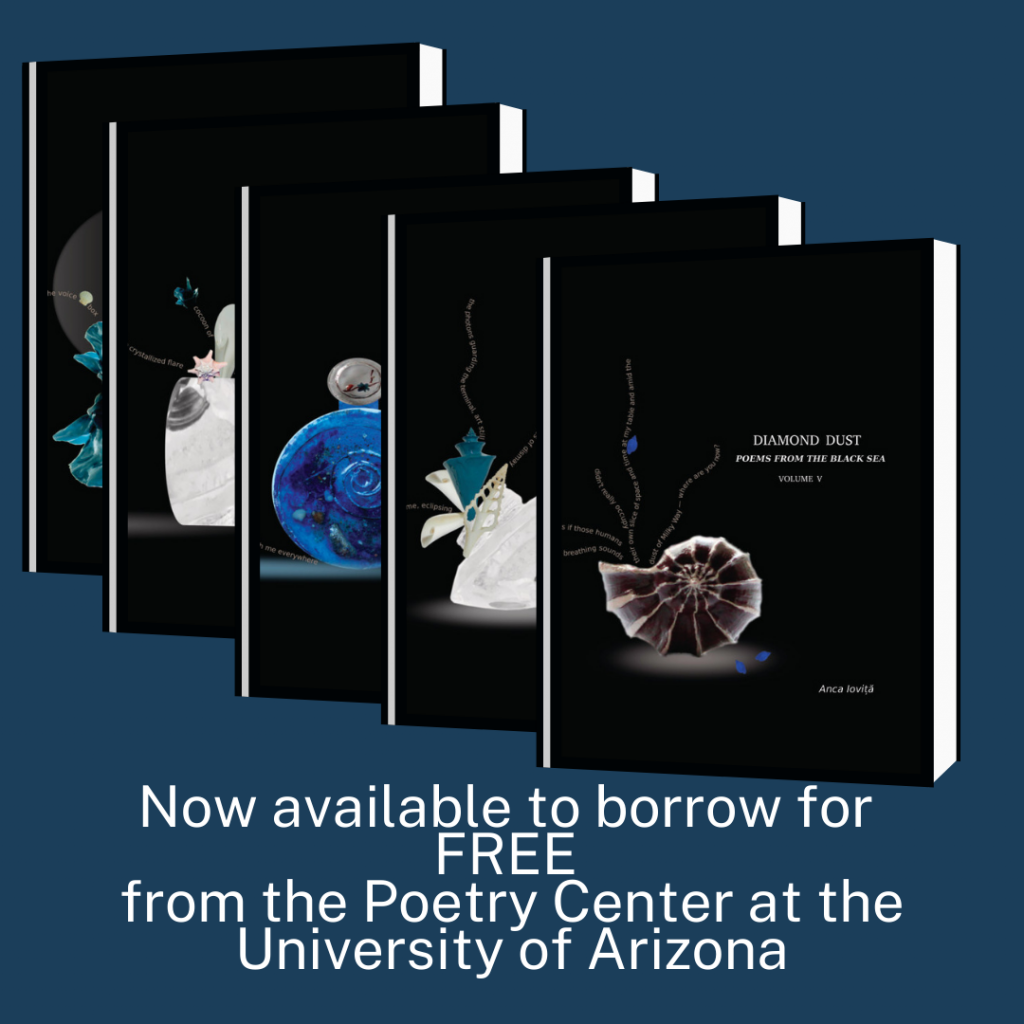
The Diamond Dust (Poems From the Black Sea) is now available for
FREE in hardcover format at the Poetry Center library from the University of Arizona, USA
Exophony is writing in a language that is not one’s mother tongue, as for example the Diamond Dust (Poems From the Black Sea) series

1-year update on how I turned Japanese learning into an alternative art education

Japanese art education, japanese art styles,Traditional Japanese arts and crafts, japanese aesthetic principles, japan aesthetic principles, learn japanese duolingo, fluentin3months japanese, japanese writing quiz, japanese hiragana, japanese katakana, japanese kanji, japanese reading practice, esperanto language,multiple choice quiz, spaced repetition system , jplt levels, italki japanese, how to type in japanese, jisho app, michiko app, how to read in japanese, japanese english dictionary , Aozora Bunko, Japanese art books, Japanese craft books, gamification in education,

It’s been more than a year since I first took Japanese learning seriously and I’m amazed that I haven’t given up. I’m not fluent yet but I understand it better and better and I think I’ll publish 1-year updates on my progress in learning this difficult language.
I’m now somewhere between an absolute beginner and someone at an intermediate level. During this last year, there are two things I changed about my Japanese learning routine:
1. I used exams as a way to set up artificial deadlines even if I don’t count on those certificates to be useful on my resume. I don’t have any English language certificate but that hasn’t stopped me from using this language every day, in former jobs included. I only recently got a medical translation EN-RO/RO-EN certificate that proved its utility and if things go well, I’d like to apply for a similar certificate to translate from Japanese into Romanian in the art field only. I haven’t forgotten that I learn Japanese mainly to develop as an artist but I’d still like to try JP-RO art translation as a side hustle in a couple of years.
2. I didn’t read much in Japanese as I initially planned to but I kept on using Japanese to search for art on Pinterest using niche terms. The search results were so different from what I obtained with English only and it provided an impetus to keep on learning.

This year I had my first public speaking in Japanese in a local contest where I was allowed to pick my own theme. I talked about how different Japanese aesthetics is, how that impacted its traditional arts and crafts and how that made me finally learn this language. Actually talking about it is an exaggeration because I was so nervous that I mostly ended up reading my presentation but it was still a worthwhile experience and I’d like to participate again next year. Each contest participant had to answer one or two questions from a person in the jury depending on whether they participated as beginning or medium level speakers. The question that I received was what is my favorite Japanese art and the answer I spontaneously gave that woman helped me in crystallizing how the seashell book series will turn out, a project that I’ve been working on since 2.5 years and which took so much of my time that I didn’t even blog that much over here.

I always thought I like way too many Japanese arts but during that day on the scene, I spontaneously answered that my favorite one is Ikebana. It is sculptural. It can be mixed and matched with many other art forms like poetry (a genre that nowadays dominates my writing since I gave birth last year). It can also stand on its own without any other decoration and the classical form made from living plants only is a changing artwork unlike static stone sculptures. I also like the philosophy behind it as by using plants in different stages of life and by observing the same arrangement at different times of the day and on different days as it starts to dry out, one has an overview regarding the cycle of life and death. This is so much deeper than a boring, symmetrical bouquet of flowers.

Following this contest, I spontaneously enrolled in a Japanese course on Ikebana. It was and it still is held by the Japan Foundation. It’s free online and it combines Ikebana terminology with Japanese learning for beginners. Getting a completion certificate in the end was nice but more than this, being able to search for specific Ikebana terms by using Japanese jargon was awesome.

Last year I mentioned that I started learning this language as an alternative art education and the way this experience has directed my art was surprising. Too bad I don’t update this blog that often as I’m too focused on finishing that seashell book series. I love making art more than I love writing about it. Still, compared to the first blog post I wrote here, my art changed so much. I even wondered if I should change the site’s domain but I’ll take a decision once the book series will be finished, if not published.

Meanwhile, other exams I took and passed were JLPT N5 last December and JCAT this June. I set out to register to the JLPT every December (it’s held only once per year in Romania) and on JCAT every June so that I have two big deadlines per year to keep up with. I doubt a passed JLPT level below level N3 or even N2 could be useful at something or worth mentioning but the steepest learning curve is in the beginning and it helps so much with motivation. This year I’ll register for N4 and knowing that the exam will be here sooner than later, already made me increase the time I allocate to this language.

Yet on most hectic days, I only keep up with the streak on Duolingo and the one on Clozemaster which sums up my learning to 5 minutes per day. I thought this only allows me to maintain what I already learned but to my surprise, I progressed a bit as I received 120 points this summer after passing JCAT, a score that corresponds to a level between absolute beginner (JLPT N5) and medium learner (JLPT N4).

Other than this, I continued to play a bit with the JA Sensei app which is still awesome for practicing Kana, Kanji and vocabulary. It also has some lessons and audio quizzes but since those demand more focused time, I admit I neglected them lately. And since December will be here soon for the next JLPT level, I also started using a JLPT practice app again. I tried many of these last year, but the only one that stuck was this one.

Although during my last blog post, I thought about using italki to schedule lessons every two weeks, I ended up rarely using it because it is so difficult to schedule uninterrupted time. I ended up scheduling lessons before the Japanese public speaking contest and before the JLPT exam. Other than this, it is much easier to use apps on my phone during my downtime. Learning Japanese is a long-term investment in my personal development and it’s too easy to get distracted on hectic days. I find that mobile apps where I don’t have to wait on anybody else’s schedule help the most with keeping this daily habit.

Even if I use all these resources to improve my Japanese understanding and speaking/writing, I still love to follow up on new products and services to hack my learning on this awesome blog dedicated to Japanese learning only. Time is so scarce and Japanese is so different from everything I learned beforehand that I’m willing to try just about anything to speed up and become fluent in it, at least in the art field. Maybe when I’ll have more uninterrupted time slots I’ll even give virtual reality a try. Maybe.

How I turned Japanese learning into an alternative art education

japanese arts and crafts, learning Japanese fast

Two months ago I took one my dreams seriously. It happened while doing sketches for the seashell art photobook project when I realized how influenced I am by the Japanese aesthetics. I’ve been interested in Japanese arts and crafts for years but since I couldn’t read, write or speak Japanese this was always a second-hand experience. That dream I mentioned was becoming fluent in Japanese and ever since I started learning this language with its strange word order, grammar and writing systems, I got to think differently about a bunch of ideas and probably great things will emerge from this experience.

It was in college when I first dabbled into learning Japanese and since then I started and quit many, many times. I also made a couple of mistakes.

The first and worst mistake that I did was not taking my goal seriously. The consequence was that I didn’t personalize my learning. For example, I tried learning Japanese by speaking it first and it didn’t stick since I am a bookworm and I prefer to read. I found out about this approach from Benny Lewis (Fluent in 3 Months) and I’m sure it worked well for him, but it didn’t work for me as my motivation to learn Japanese was different. Another example is that I tried to learn its 3 writing systems one at a time through handwriting. The latter is an approach that is mentioned in just about any Japanese language textbook or mobile app with drawing quizzes. I used to write each hiragana syllable time and time again and by next week I would forget everything as if I didn’t even study at all.

The second mistake was that I didn’t learn it through a multisensory experience. I didn’t learn like a child. I didn’t combine images, audio, video and immediate feedback. Instead, I tried to learn it like an adult with grammar lessons and lots of handwriting practice and it got boring.

And since it got boring, I made a third mistake in that I wasn’t consistent enough. I wanted fast results to get to the fun part (Japanese art books) and I didn’t get them.

If you happen to learn Japanese or any other language, the following resources may give you plenty of ideas on avoiding making the same mistakes as I did. None of them is enough on its own but each of the ones I recommend has its merits. As a polymath, I tend to always look for tips and hacks and I am willing to try just about any learning tool but in order to progress with Japanese I intentionally introduced one resource at a time.

I started with Duolingo because as crazy as it sounds, I read somewhere that Duolingo had an Esperanto course (yes, Esperanto!) and I was curious to see how Japanese would be taught there. I also wanted to start with a mobile app that included sounds, images, multiple choice tests and Duolingo fit into that. There are a couple of things I got from this app:
1. I got over my fear to use all the 3 writing systems that Japanese has. I was basically never given a chance to start with hiragana, katakana or kanji. I was simply introduced lesson by lesson to Japanese words and sentences.
2. I got used to the strange order in which the Japanese place words in a sentence. I didn’t always understand why a word I thought I knew was slightly different or why a particle was placed in a certain spot and not another but it worked. Lesson by lesson I developed an intuition on how I should build a sentence in Japanese.
3. It helped me greatly with motivation. Apart from receiving daily email reminders to get back to Japanese, Duolingo has a virtual currency called lingots. For the Japanese course specifically, there aren’t many things I can spend lingots on but I can place a bet by buying a streak wager where I spend 5 lingots and I can earn double that if I don’t miss on my goal every day for a week. Buying that streak wager every week helped me build a daily habit of practicing Japanese.

I kept my streak on Duolingo but as days got by, I wanted to try something else. What I lacked most was some kind of multiple-choice quiz to learn kanji. Out of all the Japanese learning apps that I tried, I liked JA Sensei most. Japanese learning turned into a game here as well. In the beginning, I used it for its hiragana, katakana and kanji quizzes. The app includes around 2,000 kanji which are used in elementary and secondary schools in Japan. Those quizzes can test either recognition or writing. I didn’t use the latter because I’m not interested in handwriting in Japanese. I barely handwrite in English or Romanian.

Although I used this app mainly for its writing system quizzes, I also started doing lessons there. Grammar is well explained and there are some interesting culture bits as well. I like that it uses a spaced repetition system so items that I don’t know well are reviewed more often. If I don’t have time for a new lesson, I’ll simply open this app and start reviewing kanji, kana or vocabulary. Since reviewing is more important for learning than simply engulfing new words and concepts, the app also rewards the former with more points. Another thing that I like about this app is that its multiple grammar sheets are annotated depending on the JLPT level and so is my score depending on how many points I earn. Right now I could care less about JLPT testing but if I decide to register for this exam which is held only once per year where I live, it’s good to know which level I’m at.

Days passed and I was making some progress with Duolingo and JA Sensei but I had to challenge myself even more 🙂 I’ve noticed on Duolingo that I could also earn some points if I played games with Japanese words but I only received them if I typed in Japanese. That was a problem I solved by downloading the Google Japanese keyboard. It wasn’t easy to learn how to type – after some time, I realized I started from hiragana only and then the keyboard would display katakana and kanji suggestions so that the words on the screen would be displayed properly. The more I typed in Japanese, the more frequently those kanji I previously used would be displayed.

Learning how to type in Japanese served me well as I got back to italki, an app where I could do free language exchanges, get my writing corrected as well as sign up for lessons with native Japanese people. I already did the latter and it was more affordable than I expected. There are two types of teachers there: people with credentials and experience in teaching a foreign language and natives with whom you can do conversation. I chose the latter and it was awesome and awkward at the same time. It was awesome to speak with a Japanese person without traveling all the way to Japan and it was awkward to find enough words to make up intelligible sentences. Nevertheless, I won’t quit. I will probably continue such lessons once every two weeks. It’s good for trying things outside my comfort zone and I may also remember words better if I communicate in real time with a person.

And since visual art and traditional crafts are what drawn me towards learning Japanese in the first place, I make extensive use of the Japanese keyboard plus the Jisho dictionary to search for specific Japanese keywords on Pinterest. This way I not only improve my vocabulary but the images I find there makes it more likely to remember those concepts and retrieve them later on.

All this progress was nice and encouraging but there was still no sight of Japanese books on the horizon. During my trip to Japan I bought a couple of bilingual Japanese-English books which I haven’t touched yet. I don’t understand most kanji there and searching for the meaning of a kanji in print would take me too much time. I thought there must be a more efficient solution to be able to read whatever text I want with what little Japanese I know and there is one as long as I stick to digital texts for the time being.

Any Japanese text is manageable with some furigana display (for unknown kanji) and with a good Japanese-English dictionary. I couldn’t make these work on my ebook reader (yet), but I found a good app instead: the Michiko app. With it I can import texts from files on my phone, from Aozora Bunko (a Japanese digital library of public domain texts) and from the clipboard. I especially appreciate the latter to read articles from Wikipedia and blogs on topics of interest. It can display rōmaji only, rōmaji with hiragana, kanji with furigana and it’s also available for languages other than English. Besides, it has a text to speech option.

I now reached a point where I make daily use of Japanese and for the first time in my life, I think I’m on the right path to become fluent in it. This doesn’t mean I don’t look for additional hacks to learn it even faster. If you know of any such resource for learning Japanese or learning a foreign language in general, I’d love to hear it!