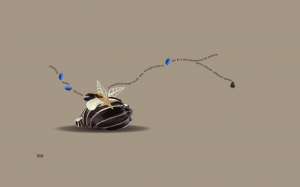
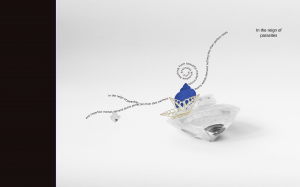
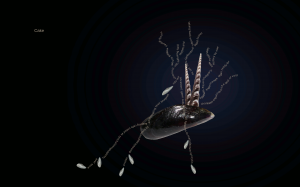
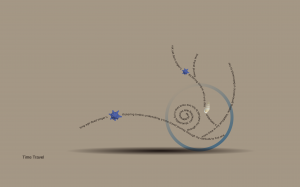
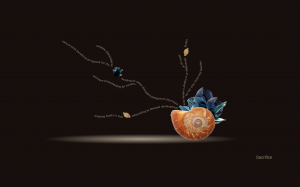
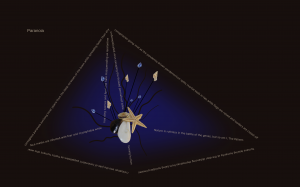
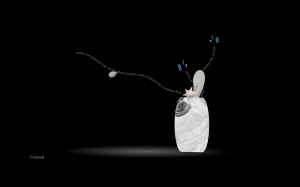
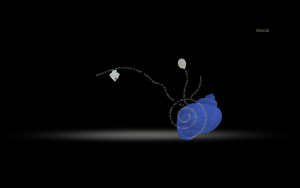
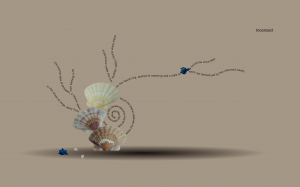
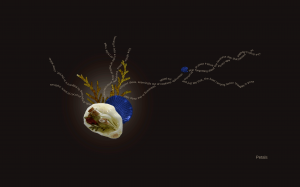
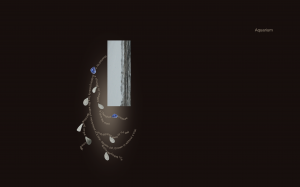
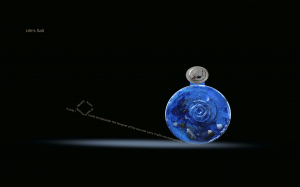
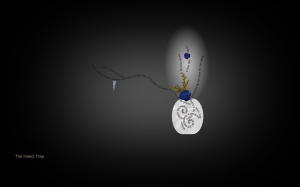
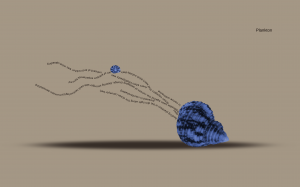
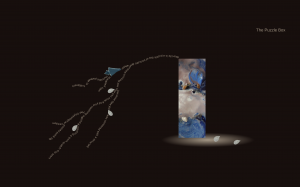
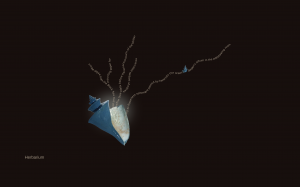
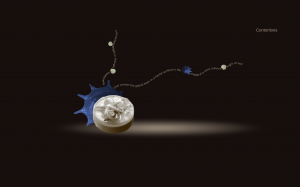
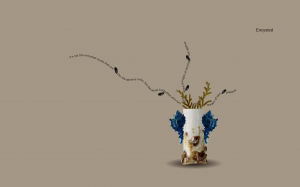
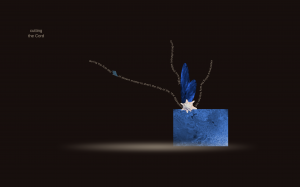
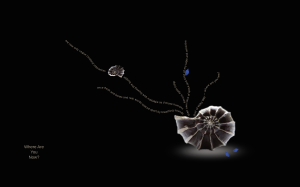
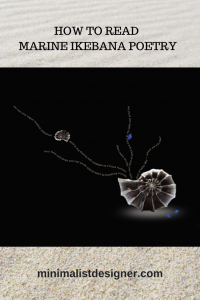
A question I get asked often is how to read marine Ikebana poetry.
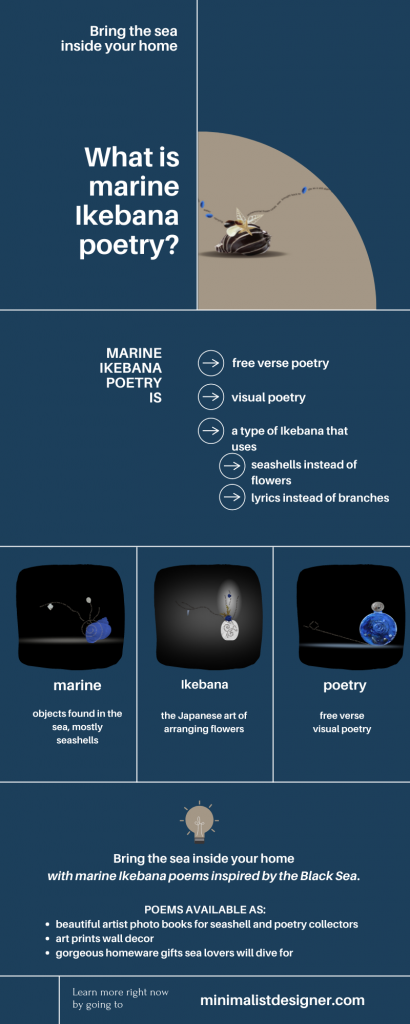
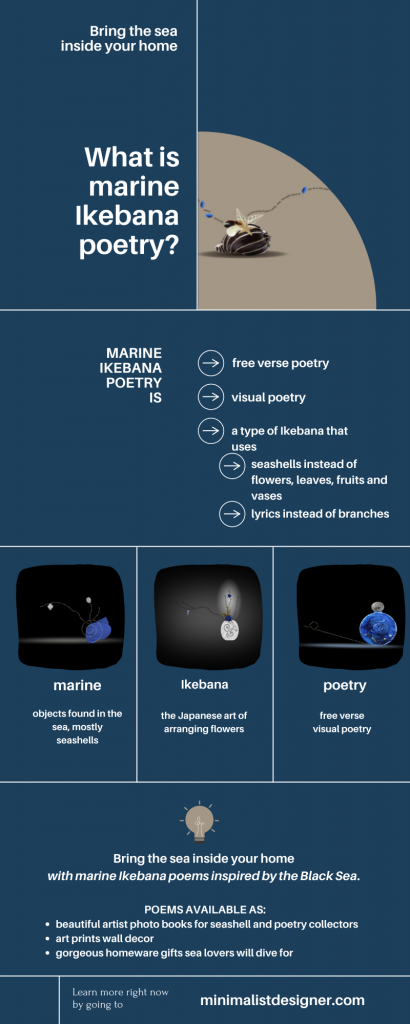
If you don’t know what marine Ikebana poetry is, please take a look at the infographic below.
Infographic on what is marine Ikebana poetry such as free verse poetry, visual poetry, a type of Ikebana flower arrangement that uses seashells instead of flowers and lyrics instead of branches, using marine objects found in the sea, mostly seashells. Marine Ikebana poems available as: beautiful artist photo books for seashell and poetry collectors, art prints wall decor, gorgeous homeware gifts sea lovers will dive for
How to read marine Ikebana poetry
As a general rule, you can read a visual poem in two ways:
1. notice the visual part first and then work your way through the text OR
2. read the words first and then analyze the shape of the poem and any other visual elements from the page
I find it hard to notice the text first as visual images are faster to process, but that’s just me.
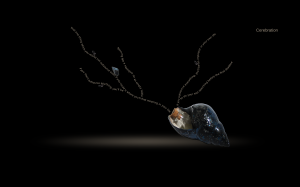
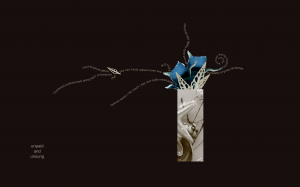
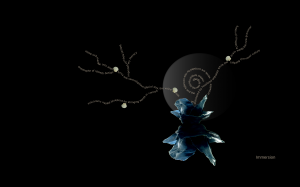
Depending on what the marine Ikebana poem is displayed or printed on, the text may not even be that easy to read, but you can still distinguish the main elements of an Ikebana flower arrangement:
the structural elements like the Ikebana container and the emerging branches from it
the ample use of open space
the wabi sabi aesthetics
the inherent asymmetry in how the branches and their elements are displayed in space. Line as an element is rarely used in non-Japanese bouquets, but it plays a major role in Ikebana.
the use of floral elements in different stages of life.
Such an arrangement contains no living element. This is quite anathema in classical Ikebana and Japanese culture in general where freshness is valued. I valued keeping flowers alive and using marine memorials instead.
So instead of flowers, each arrangement contains sculptural seashells of various sizes representing different stages of life.
I reduced the color palette to the minimum by including the colors of the sea and the earth only, with a few accents of black and white where I deemed fit. Every visual poem has at least a touch of blue to signify that life as we know it can’t exist without water.
I designed each marine Ikebana poem like a puzzle.
It may take a couple of reads (maybe even some rotations of the book or print or whatever medium you’re reading it from) before you put all the pieces together so that the lyrics flow logically from one to another just like a rivulet smoothly flows into a river and from there into the big sea. It’s just like in life where you may need some trial and error before you figure out the big picture of what you really want to do with it.
As regards the poetic part of these collages, each major line of poetry starts from the Ikebana vase which is the largest seashell you first notice, with shorter branches flowing away from the longer ones. In some poems, the major lines of poetry end in the Ikebana vase or there may be a combination between the two ways of reading the lyrics.
In rare occasions, background poetry text displayed in a circle, spiral or star shape is read on its own with no reference to the vase and that text is included to complement the main story of the marine Ikebana arrangement. Either way, as a general rule, at least in English, the lines of poetry are always read from left to right as is usual in this language.
If you’re unfamiliar with this type of visual poetry, take a look at the video below and don’t forget to subscribe to my YouTube channel on marine Ikebana poetry!
Video on Diamond Dust (Poems From the Black Sea) artist photo books for seashell and poetry collectors
I included many rare words in my poems, just because they sound nicely. I didn’t include this one below, but thought of adding it here because it’s one you probably never heard of:
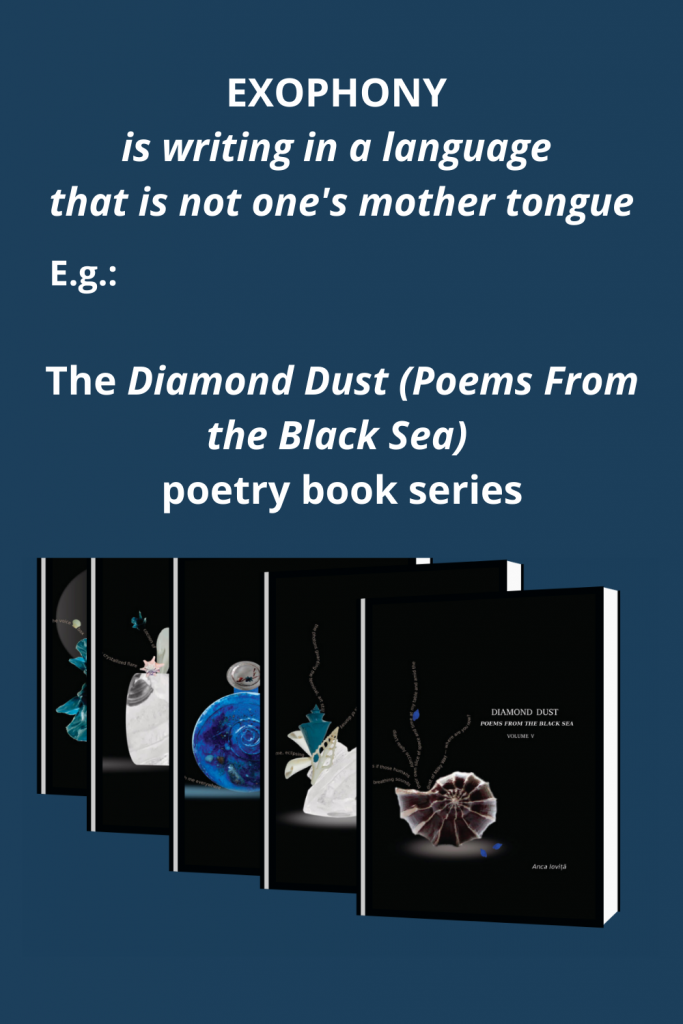
Exophony is writing in a language that is not one’s mother tongue, as for example the Diamond Dust poems series
If you’re reading this blog post, most likely you live on the blue planet as well and you need vitamin sea more than you think.
I’ve been living my whole childhood near water as I gazed through the window from my blue-decorated room filled with 4 aquariums at a time (yes, four!) and when I moved to a big, crowded, landlocked city I didn’t know what was missing, even as I had all the cognitive stimulation I craved for so long. Unfortunately, I still don’t live near water for reasons that I can’t fully control, but I schedule time to be around or in water as much as possible.
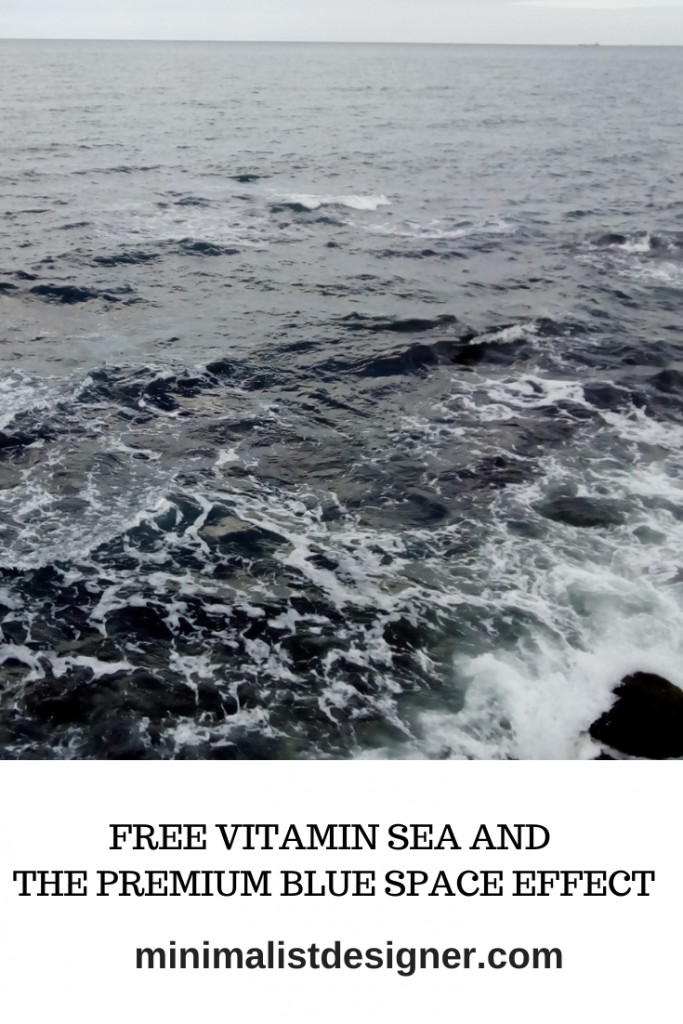
Blue spaces include any body of water such as a fountain, a hot spring, a pond, a lake, even a sea or an ocean if you live in a coastal area. Being near them for extended periods of time has several health benefits:
You are more likely to walk if the space around you is beautiful, wide and open. If you walk more, you are less likely to mismanage your weight.
You are likely to breath better from all the mist of a water environment, especially if you breathe in that salty sea breeze.
Your mental health is likely to be better overall whether that is due to the sense of calm blue spaces induce when being around them or due to the increased rate of water-related activities such as swimming, surfing or sailing.
The impact of all these premium health benefits on humans describe the blue health effect and ever since I found a name for it, I not only took the liberty to go to the seaside more often, I also took this into consideration when creating my type of art: marine Ikebana poetry.
Here are the blue space effects I took into consideration while creating my art:
I care about mental health preservation and improvement so I didn’t want my art to shock people or induce disgust. At most, I wanted it to make people reflect on things they may find uncomfortable, sometimes by using complex words, but the visual aspect should never be ugly or disgusting and the overall effect of my art should be to induce calmness. Hence when creating my compositions, I frequently used the golden ratio, lots of open spaces, the wabi sabi philosophy and I included a bit of blue in just about every visual poem I wrote and published.
Not only that I used blue in all of my poems, but the designs themselves are inspired by the seaside, namely the Black Sea coastline which I go to so often. I can’t always stay overnight, but I often go there just to walk a couple of hours by the seaside, be it summer or winter, sunshine or rain or snow, I don’t care. Most of the seashells used in these visual poems were collected from the Black Sea, albeit a few of them were bought from Japan and elsewhere in Asia.
The cleaner the water, the more intense the blue space effect can be. This is the reason for which I brainstormed a lot while soul searching in defining my type of art and a first solution I found was to manufacture everything as print on demand to avoid filling the world with unwanted books, art prints, home décor objects, merchandise or gifts. I already used this business model when releasing my previous three books on gerontology and this time, I wanted to try it in the art field as well.
I don’t wish people spend even more time in front of their computers than they already do for work or leisure or both. Those short walks by the seaside I take are truly one of the rare cases when I’m truly offline and I get so refreshed not only from that fresh salty air, the exercise I get from walking a couple of hours, but also from all the new ideas I get. It is way too easy to be attracted by the digital realm and forget how to inhabit your body and reflect on life. Hence I took the decision to offer my creations as print only. Even if you can view or buy them online, you don’t have to spend time in front of a screen in order to enjoy the hardcover photo book series, the art prints or the homeware.
Some people may dream about reaching for the stars, but reaching for the seaside is good enough for me. How about you?
Two years and a half passed since I got back to learning Japanese after a 10-year gap during which I let the desire to speak and write fluently in this language to simmer quietly in my brain. As I wrote in the first post from this series of updates (link here), my sense of aesthetic is very influenced by the Japanese culture and I expect to progress as an artist and designer once I’ll be able to dive into this kind of art without the shackles of English.
After almost 4 grueling years in which I focused to create the Diamond Dust (Poems From the Black Sea) series of books, I can finally relax having published it and increase the time I spend learning and using Japanese every day. What I started doing differently now is reading easy Japanese texts. As long as I can use the crutch of furigana, I find it a lot of fun to read in this language.
I was already practicing reading in Japanese by making a habit of searching art keywords on Pinterest in this language, yet reading whole sentences makes the retention of the little Japanese I know a lot more lasting, it seems.
As life went on, a pandemic swept throughout the world and the way I continued to practice Japanese every day changed, but my motivation for one day becoming fluent in it did not wane.
My staples in learning it are still mobile apps. During the lockdown, I have stopped using Clozemaster but I have continued using Duolingo and JA Sensei.
Duolingo is very good for the ease with which a streak can be maintained so I have no excuse of not using some Japanese every day, no matter how busy and tired I may be. Meanwhile, Duolingo added a lot more lessons for Japanese which should be the equivalent of JLPT N4 by now, if the whole tree is finished (which is not my case yet). Duolingo also added a separate tab for learning hiragana and katakana. I already knew these from the usual Japanese course there, but I found the ease of learning how to write these better than on any other app I used and this time I finally found a way to use those Duolingo lingots (now called gems) by skipping levels when rehearsing lessons until I reach Level 5, the maximum one.
I also tried the Premium version in August: I didn’t find the offline lessons useful as they’d only clutter my phone’s memory. It was nice to do progress quizzes from time to time, but that’s about it.
Clozemaster seemed to reset the streak at the same hour each day, with no possibility of extending the streak if I happened to do the exercises in the early morning one day and late at night during the next day. This and the app lacking some visual crutch for the exercises (no images, old graphics) made me just uninstall it.
JA Sensei is still something that I use – I wish it had a streak to motivate me even more (it has some notifications now). Even here I changed the way I use the app, having downloaded the vocabulary from JLPT 1-5 and regularly reviewing and learning new words. Initially I decided to first learn the JLPT 5 vocabulary, then 4 and so on, but I noticed there were words I already knew from the upper levels and it would have been a pity to not review them as well. Nowadays I also rehearse pronunciation by using speech recognition when learning the JLPT vocabulary and I do my best to learn 10 new words per day and review a set of 30 words x 5 JLPT levels per day. For a while, I did phrase quizzes and kanji radical quizzes as well. Those kanji radical quizzes were extremely useful to guess the meaning of any kanji I may stumble upon and to search for the meaning of a kanji by using a print dictionary. The audio parts were also useful in getting used with Japanese sentences instead of words only, but for the moment, I focus on increasing my vocabulary with this app as preparation for heavier reading in printed Japanese where I may not understand the whole word, but I could guess some meaning if I saw the kanji side by side.
An app which I didn’t quit, but just put on hold is italki. I found it very cumbersome to schedule lessons and a lot easier to learn on the go with Duolingo and JA Sensei whenever I had some free minutes. Yet I admit the live feedback I received from the lessons there made the app worthwhile, just not on a daily basis as the other two.
A new resource I found is a website called supernative.tv with bits of Japanese from movies used as quizzes, including ones where the response was given by speech in order to practice talking in Japanese too. I don’t use this every day because it works better on the laptop than on the phone.
Video is my least liked format in which to learn, so forgive me if the idea of turning subtitles on in Japanese or English and improving my Japanese vocabulary this way is an idea that came to me so late.
The Covid-19 pandemic changed my plans about yearly JLPT testing which was canceled where I live. I was under the false impression that I could always just test myself with JCAT online, but it seems this test only works on tablets now. It’s also not free anymore, although if it worked seamlessly like last year, I would have paid for it.
As inspired by my child who is just learning her first words, I tried a couple of Japanese apps for toddlers learning this language. They are all in hiragana and katakana and the words are quite easy, but a lot of fun to use and easy to remember through the instant feedback I get from these toddler games. Inspired also by my child who learns a lot from music, I listen to Japanese songs from time to time, reading the lyrics on the screen, like this one I particularly like:
Ideas for the future include trying a laptop with a Japanese keyboard and operating system and also using VR and AR to force me to talk in Japanese, but in the meantime, my goal in the near future is to develop a habit of not only using Japanese every day (the easiest way is to just maintain my Duolingo streak and I already do that), but to read sentences every day.
This list of Japanese reading practice websites from TeamJapanese
I now reached a point where I make daily use of Japanese and for the first time in my life, I think I’m on the right path to become fluent in it. This doesn’t mean I don’t look for additional hacks to learn it even faster. If you know of any such resource for learning Japanese or learning a foreign language in general, I’d love to hear it!
December 3, 2020, ZEXPRWIRE, Published on November 9th this year, Diamond Dust (Poems from the Black Sea) is the latest release authored by Anca Ioviţă.
Diamond Dust (Poems from the Black Sea) is a series of 5 volumes and contains a collection of visual poems created in eye-catching patterns in a new style of Ikebana (the traditional art of flower arrangement from Japan), called “marine Ikebana” by the author. The result is a unique display of emotion with the right balance of nostalgia, the poems being spun around the impermanence witnessed by the author with a medical background.
“The scientific branch of medicine helps sustain life during emergencies, but the beauty of art makes those added moments of life worth living for.” stated the author in the introduction of the book series.
“I am an avid collector of seashells, an interest that started during childhood, but which only during the last 4 years found a home in the world of arts when I started creating Ikebana arrangements without living flowers, in a new style I call “marine Ikebana”. The seashells from my collection decorate the arrangements, with leaves, flowers and buds replaced by the former real estate of mollusks and my lyrical thoughts form the structure of the branches.” she further added when briefing about the books.
The nautical imagery and the aquatic words assembling this book series would be greatly appreciated by shell collectors with an appreciation for Ikebana and minimalist art in general.
A lifelong polymath whose vice is indulging in lifelong learning, the author Anca Ioviţă went from arts to humanities to engineering to medicine and is continually using all those experiences to bring to life new books and other creative projects as well as constantly trying out new career fields. She has several other books to her credit.
Welcome to the world of marine Ikebana poetry, an innovative genre you can enjoy seeing and reading inside the quality pages of the Diamond Dust (Poems From the Black Sea) photo book series!
First, what is marine Ikebana poetry?
Ikebana is a traditional Japanese art form of flower arrangement. The aesthetics involved in such bouquets is very different from what you’ll see in the West, but if you prefer a minimalist style, muted colors and lots of open spaces, you’re going to LOVE it.
Marine Ikebana poetry is a genre of visual poetry first brought to life with the Diamond Dust (Poems From the Black Sea) poetry albums. Such visual poetry is inspired by Ikebana, but uses lyrics or verses instead of branches and marine seashells instead of planters, pots, flowers and leaves.
Infographic on what is marine Ikebana poetry such as free verse poetry, visual poetry, a type of Ikebana flower arrangement that uses seashells instead of flowers and lyrics instead of branches, using marine objects found in the sea, mostly seashells. Marine Ikebana poems available as: beautiful artist photo books for seashell and poetry collectors, art prints wall decor, gorgeous homeware gifts sea lovers will dive for
The photo books can be shipped to the following countries and territories: Argentina, Australia, Austria, Belgium, Bermuda, Brazil, Bulgaria, Canada, Cayman Islands, Chile, Colombia, Croatia, Cyprus, Czech Republic, Denmark, Estonia, Finland, France, Germany, Greece, Guadeloupe (French), Guam, Hong Kong, Hungary, Iceland, India, Indonesia, Ireland, Israel, Italy, Jamaica, Japan, Latvia, Lithuania, Luxembourg, Macao, Malaysia, Malta, Marshall Islands, Mexico, Micronesia, Netherlands, New Zealand, Northern Mariana Islands, Norway, Paraguay, Peru, Philippines, Poland, Portugal, Puerto Rico, Reunion (French), Romania, Saint Barthelemy, Serbia, Singapore, Slovakia, Slovenia, South Africa, South Korea, Spain, Sweden, Switzerland, Taiwan, Thailand, Turkey, United Arab Emirates, United Kingdom, United States, Uruguay, Vietnam, Virgin Islands, Virgin Islands (British)
The paperback photo books can be ordered from Amazon as well as from several US and UK bookshops.
Introduction from the Diamond Dust (Poems From the Black Sea) photo book series
The Black Sea doesn’t ship the most colorful or ornate seashells on its beaches, yet restrained in spines and threatening colors, such smooth seashells in muted colors form the pillars of this collection of designs. New life was blown into such pieces as they became the vases, the leaves, the flowers and the buds of the offbeat marine Ikebana compositions you are about to see.
Sometimes met with anxiety and other times met with nostalgia, impermanence is the main yarn spun throughout these visual poems where I talk about the effort poured into creating quality art that ends up forgotten and into raising minds shining like diamonds who nevertheless crumble into dust. I also talk about serendipitous artifacts of nature that nevertheless last far longer than expected. Carbon life forms that switch places on the wheel of life and death as well as carbon that turns into diamonds. Apparently timeless diamonds that reenter the cycle of carbon once turned to smoke and ashes.
Throughout all these yarns, aquatic words form the skeleton of this volume: from blue open space to subtle waves, snow flowers, lyric seascapes and swimming letters, water permeates these pages even if the books you are about to hold are dry.
Many poems are colored by my medical background as I talk about the art of making art out of disease and spinning suffering into something not necessarily worthwhile, but at least bearable. The scientific branch of medicine helps sustain life during emergencies, but the beauty of art makes those added moments of life worth living for. Inspiring art will not relieve an asthma attack, but it may make searching for hard-to-find medical help worthwhile.
Visual poem excerpts from volume I
Click on the link below that will take you to Blurb if you’d like to order Volume I of the “Diamond Dust” book series!
If the link below doesn’t work, copy and paste it in your browser:
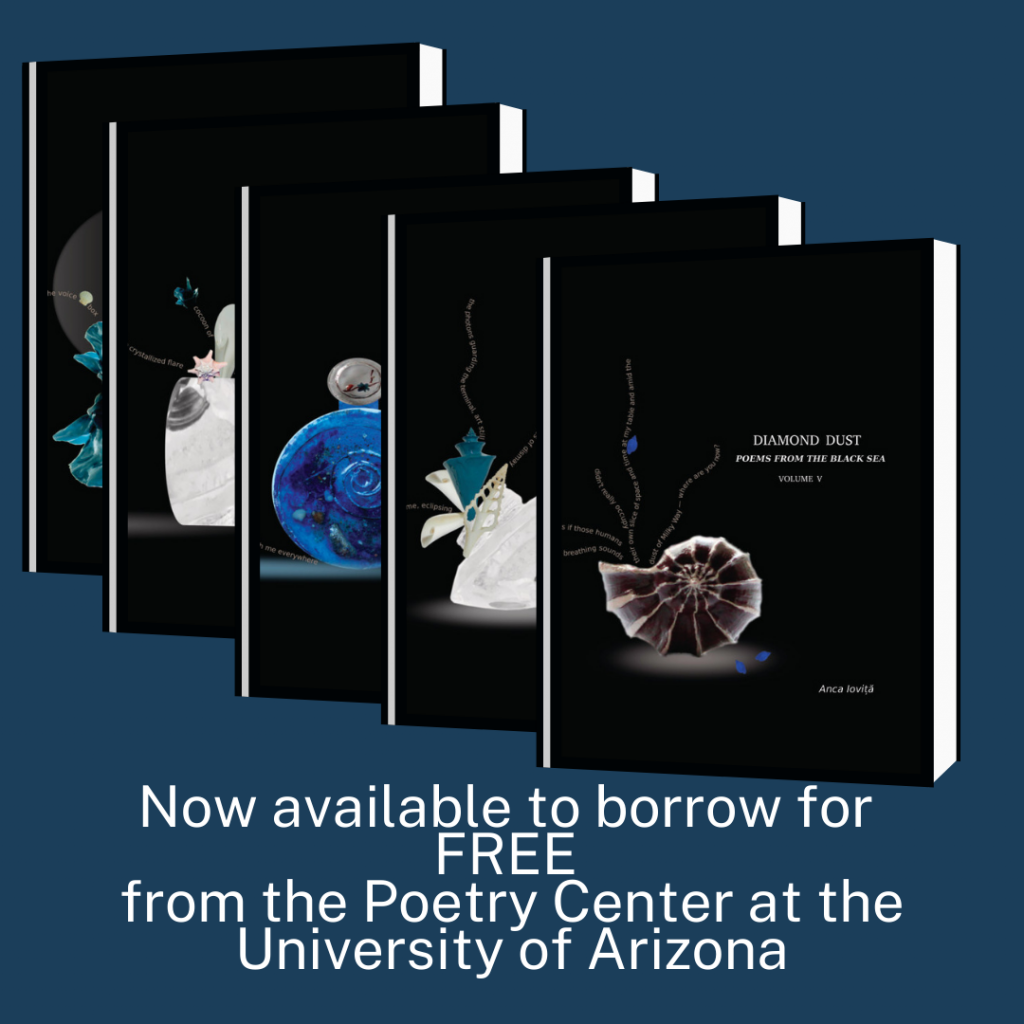
The Diamond Dust (Poems From the Black Sea) is now available for FREE in hardcover format at the Poetry Center library from the University of Arizona, USAExophony is writing in a language that is not one’s mother tongue, as for example the Diamond Dust (Poems From the Black Sea) series
It’s been more than a year since I first took Japanese learning seriously and I’m amazed that I haven’t given up. I’m not fluent yet but I understand it better and better and I think I’ll publish 1-year updates on my progress in learning this difficult language.
I’m now somewhere between an absolute beginner and someone at an intermediate level. During this last year, there are two things I changed about my Japanese learning routine:
1. I used exams as a way to set up artificial deadlines even if I don’t count on those certificates to be useful on my resume. I don’t have any English language certificate but that hasn’t stopped me from using this language every day, in former jobs included. I only recently got a medical translation EN-RO/RO-EN certificate that proved its utility and if things go well, I’d like to apply for a similar certificate to translate from Japanese into Romanian in the art field only. I haven’t forgotten that I learn Japanese mainly to develop as an artist but I’d still like to try JP-RO art translation as a side hustle in a couple of years.
2. I didn’t read much in Japanese as I initially planned to but I kept on using Japanese to search for art on Pinterest using niche terms. The search results were so different from what I obtained with English only and it provided an impetus to keep on learning.
This year I had my first public speaking in Japanese in a local contest where I was allowed to pick my own theme. I talked about how different Japanese aesthetics is, how that impacted its traditional arts and crafts and how that made me finally learn this language. Actually talking about it is an exaggeration because I was so nervous that I mostly ended up reading my presentation but it was still a worthwhile experience and I’d like to participate again next year. Each contest participant had to answer one or two questions from a person in the jury depending on whether they participated as beginning or medium level speakers. The question that I received was what is my favorite Japanese art and the answer I spontaneously gave that woman helped me in crystallizing how the seashellbook series will turn out, a project that I’ve been working on since 2.5 years and which took so much of my time that I didn’t even blog that much over here.
I always thought I like way too many Japanese arts but during that day on the scene, I spontaneously answered that my favorite one is Ikebana. It is sculptural. It can be mixed and matched with many other art forms like poetry (a genre that nowadays dominates my writing since I gave birth last year). It can also stand on its own without any other decoration and the classical form made from living plants only is a changing artwork unlike static stone sculptures. I also like the philosophy behind it as by using plants in different stages of life and by observing the same arrangement at different times of the day and on different days as it starts to dry out, one has an overview regarding the cycle of life and death. This is so much deeper than a boring, symmetrical bouquet of flowers.
Following this contest, I spontaneously enrolled in a Japanese course on Ikebana. It was and it still is held by the Japan Foundation. It’s free online and it combines Ikebana terminology with Japanese learning for beginners. Getting a completion certificate in the end was nice but more than this, being able to search for specific Ikebana terms by using Japanese jargon was awesome.
Last year I mentioned that I started learning this language as an alternative art education and the way this experience has directed my art was surprising. Too bad I don’t update this blog that often as I’m too focused on finishing that seashellbook series. I love making art more than I love writing about it. Still, compared to the first blog post I wrote here, my art changed so much. I even wondered if I should change the site’s domain but I’ll take a decision once the book series will be finished, if not published.
Meanwhile, other exams I took and passed were JLPT N5 last December and JCAT this June. I set out to register to the JLPT every December (it’s held only once per year in Romania) and on JCAT every June so that I have two big deadlines per year to keep up with. I doubt a passed JLPT level below level N3 or even N2 could be useful at something or worth mentioning but the steepest learning curve is in the beginning and it helps so much with motivation. This year I’ll register for N4 and knowing that the exam will be here sooner than later, already made me increase the time I allocate to this language.
Yet on most hectic days, I only keep up with the streak on Duolingo and the one on Clozemaster which sums up my learning to 5 minutes per day. I thought this only allows me to maintain what I already learned but to my surprise, I progressed a bit as I received 120 points this summer after passing JCAT, a score that corresponds to a level between absolute beginner (JLPT N5) and medium learner (JLPT N4).
Other than this, I continued to play a bit with the JA Sensei app which is still awesome for practicing Kana, Kanji and vocabulary. It also has some lessons and audio quizzes but since those demand more focused time, I admit I neglected them lately. And since December will be here soon for the next JLPT level, I also started using a JLPT practice app again. I tried many of these last year, but the only one that stuck was this one.
Although during my last blog post, I thought about using italki to schedule lessons every two weeks, I ended up rarely using it because it is so difficult to schedule uninterrupted time. I ended up scheduling lessons before the Japanese public speaking contest and before the JLPT exam. Other than this, it is much easier to use apps on my phone during my downtime. Learning Japanese is a long-term investment in my personal development and it’s too easy to get distracted on hectic days. I find that mobile apps where I don’t have to wait on anybody else’s schedule help the most with keeping this daily habit.
Even if I use all these resources to improve my Japanese understanding and speaking/writing, I still love to follow up on new products and services to hack my learning on this awesome blog dedicated to Japanese learning only. Time is so scarce and Japanese is so different from everything I learned beforehand that I’m willing to try just about anything to speed up and become fluent in it, at least in the art field. Maybe when I’ll have more uninterrupted time slots I’ll even give virtual reality a try. Maybe.
Two months ago I took one my dreams seriously. It happened while doing sketches for the seashell artphotobook project when I realized how influenced I am by the Japanese aesthetics. I’ve been interested in Japanese arts and crafts for years but since I couldn’t read, write or speak Japanese this was always a second-hand experience. That dream I mentioned was becoming fluent in Japanese and ever since I started learning this language with its strange word order, grammar and writing systems, I got to think differently about a bunch of ideas and probably great things will emerge from this experience.
It was in college when I first dabbled into learning Japanese and since then I started and quit many, many times. I also made a couple of mistakes.
The first and worst mistake that I did was not taking my goal seriously. The consequence was that I didn’t personalize my learning. For example, I tried learning Japanese by speaking it first and it didn’t stick since I am a bookworm and I prefer to read. I found out about this approach from Benny Lewis (Fluent in 3 Months) and I’m sure it worked well for him, but it didn’t work for me as my motivation to learn Japanese was different. Another example is that I tried to learn its 3 writing systems one at a time through handwriting. The latter is an approach that is mentioned in just about any Japanese language textbook or mobile app with drawing quizzes. I used to write each hiragana syllable time and time again and by next week I would forget everything as if I didn’t even study at all.
The second mistake was that I didn’t learn it through a multisensory experience. I didn’t learn like a child. I didn’t combine images, audio, video and immediate feedback. Instead, I tried to learn it like an adult with grammar lessons and lots of handwriting practice and it got boring.
And since it got boring, I made a third mistake in that I wasn’t consistent enough. I wanted fast results to get to the fun part (Japanese art books) and I didn’t get them.
If you happen to learn Japanese or any other language, the following resources may give you plenty of ideas on avoiding making the same mistakes as I did. None of them is enough on its own but each of the ones I recommend has its merits. As a polymath, I tend to always look for tips and hacks and I am willing to try just about any learning tool but in order to progress with Japanese I intentionally introduced one resource at a time.
I started with Duolingo because as crazy as it sounds, I read somewhere that Duolingo had an Esperanto course (yes, Esperanto!) and I was curious to see how Japanese would be taught there. I also wanted to start with a mobile app that included sounds, images, multiple choice tests and Duolingo fit into that. There are a couple of things I got from this app:
1. I got over my fear to use all the 3 writing systems that Japanese has. I was basically never given a chance to start with hiragana, katakana or kanji. I was simply introduced lesson by lesson to Japanese words and sentences.
2. I got used to the strange order in which the Japanese place words in a sentence. I didn’t always understand why a word I thought I knew was slightly different or why a particle was placed in a certain spot and not another but it worked. Lesson by lesson I developed an intuition on how I should build a sentence in Japanese.
3. It helped me greatly with motivation. Apart from receiving daily email reminders to get back to Japanese, Duolingo has a virtual currency called lingots. For the Japanese course specifically, there aren’t many things I can spend lingots on but I can place a bet by buying a streak wager where I spend 5 lingots and I can earn double that if I don’t miss on my goal every day for a week. Buying that streak wager every week helped me build a daily habit of practicing Japanese.
I kept my streak on Duolingo but as days got by, I wanted to try something else. What I lacked most was some kind of multiple-choice quiz to learn kanji. Out of all the Japanese learning apps that I tried, I liked JA Sensei most. Japanese learning turned into a game here as well. In the beginning, I used it for its hiragana, katakana and kanji quizzes. The app includes around 2,000 kanji which are used in elementary and secondary schools in Japan. Those quizzes can test either recognition or writing. I didn’t use the latter because I’m not interested in handwriting in Japanese. I barely handwrite in English or Romanian.
Although I used this app mainly for its writing system quizzes, I also started doing lessons there. Grammar is well explained and there are some interesting culture bits as well. I like that it uses a spaced repetition system so items that I don’t know well are reviewed more often. If I don’t have time for a new lesson, I’ll simply open this app and start reviewing kanji, kana or vocabulary. Since reviewing is more important for learning than simply engulfing new words and concepts, the app also rewards the former with more points. Another thing that I like about this app is that its multiple grammar sheets are annotated depending on the JLPT level and so is my score depending on how many points I earn. Right now I could care less about JLPT testing but if I decide to register for this exam which is held only once per year where I live, it’s good to know which level I’m at.
Days passed and I was making some progress with Duolingo and JA Sensei but I had to challenge myself even more 🙂 I’ve noticed on Duolingo that I could also earn some points if I played games with Japanese words but I only received them if I typed in Japanese. That was a problem I solved by downloading the Google Japanese keyboard. It wasn’t easy to learn how to type – after some time, I realized I started from hiragana only and then the keyboard would display katakana and kanji suggestions so that the words on the screen would be displayed properly. The more I typed in Japanese, the more frequently those kanji I previously used would be displayed.
Learning how to type in Japanese served me well as I got back to italki, an app where I could do free language exchanges, get my writing corrected as well as sign up for lessons with native Japanese people. I already did the latter and it was more affordable than I expected. There are two types of teachers there: people with credentials and experience in teaching a foreign language and natives with whom you can do conversation. I chose the latter and it was awesome and awkward at the same time. It was awesome to speak with a Japanese person without traveling all the way to Japan and it was awkward to find enough words to make up intelligible sentences. Nevertheless, I won’t quit. I will probably continue such lessons once every two weeks. It’s good for trying things outside my comfort zone and I may also remember words better if I communicate in real time with a person.
And since visual art and traditional crafts are what drawn me towards learning Japanese in the first place, I make extensive use of the Japanese keyboard plus the Jisho dictionary to search for specific Japanese keywords on Pinterest. This way I not only improve my vocabulary but the images I find there makes it more likely to remember those concepts and retrieve them later on.
All this progress was nice and encouraging but there was still no sight of Japanese books on the horizon. During my trip to Japan I bought a couple of bilingual Japanese-English books which I haven’t touched yet. I don’t understand most kanji there and searching for the meaning of a kanji in print would take me too much time. I thought there must be a more efficient solution to be able to read whatever text I want with what little Japanese I know and there is one as long as I stick to digital texts for the time being.
Any Japanese text is manageable with some furigana display (for unknown kanji) and with a good Japanese-English dictionary. I couldn’t make these work on my ebook reader (yet), but I found a good app instead: the Michiko app. With it I can import texts from files on my phone, from Aozora Bunko (a Japanese digital library of public domain texts) and from the clipboard. I especially appreciate the latter to read articles from Wikipedia and blogs on topics of interest. It can display rōmaji only, rōmaji with hiragana, kanji with furigana and it’s also available for languages other than English. Besides, it has a text to speech option.
I now reached a point where I make daily use of Japanese and for the first time in my life, I think I’m on the right path to become fluent in it. This doesn’t mean I don’t look for additional hacks to learn it even faster. If you know of any such resource for learning Japanese or learning a foreign language in general, I’d love to hear it!
Over the years I’ve pruned most of my print books in favor of ebooks since I needed space to live, ease of moving around and my reading habit didn’t seem to slow down as years went by. Yet there were a couple of them that I kept because of their beautiful photos. These books were usually on obscure topics I’d promise myself to get back to when I’ll have more time. One of these topics was creating a first photobook myself so lately I’ve picked up a copy of “Create Your Own Photo Book” by Petra Vogt.
Although I haven’t finished all the seashell sculptures I’ve sketched for such a project, I’m glad I read this book since it already influenced my artistic direction. I was familiar with print-on-demand options from my previously written books, but producing a photo book is another ball game. I was getting lost among the many printing options and while I can recommend this book because of the detailed comparison among service providers, the nugget of wisdom I derived from it is the wizard from photobookgirl.com which takes me step-by-step to narrow my selection depending on the type of photo book project I’m working on.
There are other ways in which this book influenced the direction of this project, for example by the types of photographs I take. I now find myself shooting details and close-ups all the time to use as possible background photos in the book. Deciding on a coherent color scheme is another idea I got from this book and this influenced future seashell work. It also didn’t cross my mind that I could include scans in such a book and now I just may.
I’m still not decided on which software to use for the book’s layout. I already started playing around with drafts on Blurb, Scribus and Canva. Admittedly, the latter is not ideal for a photo book since I can’t add pages in a double-page spread format and I can add a maximum of 30 pages only, but I find it so easy to use that it was my first option for trying to narrate a visual story through the photographs I have until now. There are way more decisions to take when creating a photo book than I knew of, but I love the challenge and I’m so glad I read this guide on the topic before finishing the sculptures and the photos.
Update: I published a full photo book series since I wrote this blog post. If you’re curious it all looks like, take a look here.
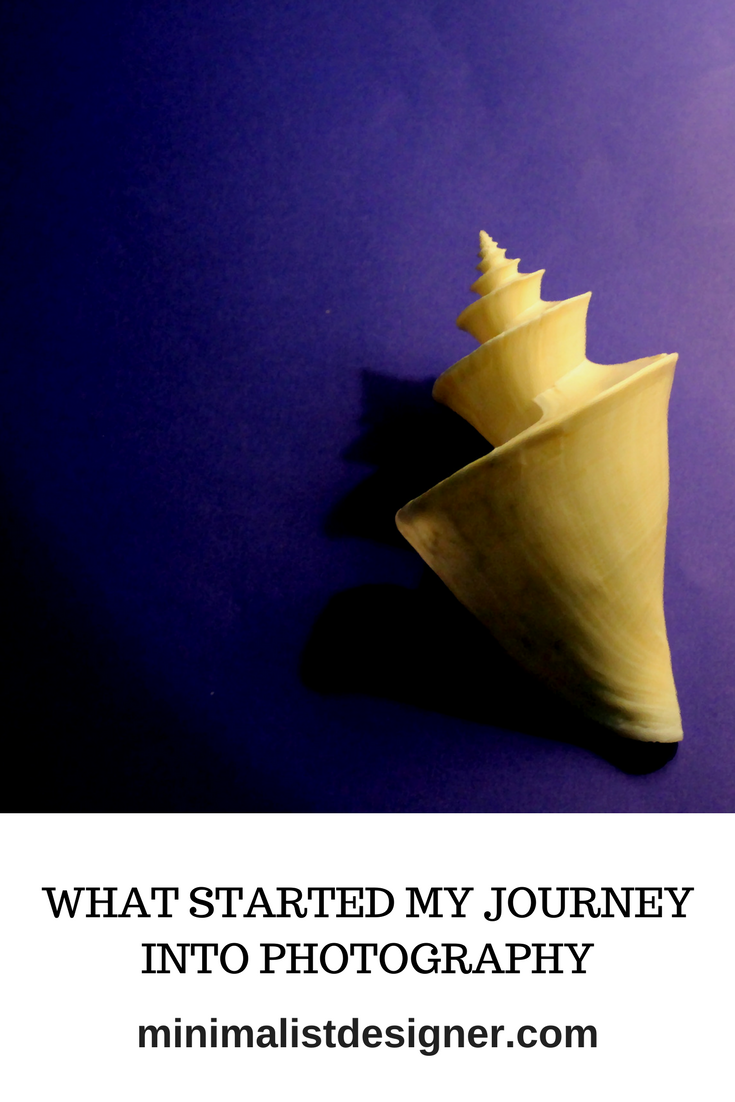
I never thought I’d one day write a blog post on starting my journey into photography, mainly because I was resistant to the idea of photography as an art form for a long time. I knew photography was more than pressing a button, but since the content of any photo is made of objects or people already created, it didn’t seem like it was that much of an art form. Photography is very different from drawing or composing music where you literally start with a blank canvas or sheet.
And yet as months went by, I moved away from designing 3d printable models on my laptop to crafting seashell artwork with my two hands and in the process, this blog appeared deserted. That was until I realized that photography is the medium that could bridge the offline world to the online one. Photography could also be a shortcut to 3d scanning what I craft and turning those 3d models into 3d printable ones.
Having planned on releasing a photobook series with what I created until now, I thought I’d just hire a local photographer. Things looked very simple at this stage and I got to focus on sculpting. But I started sketching ideas of props and lights and step by step I realized how many creative decisions go into shooting just one photo. The more I brainstormed how this project would end up, the more interested I got about learning photography myself. I also needed a creative outlet that could be practiced in bits of time here and there as I welcomed home my first child. No matter how difficult the newborn stage is, I still need to create just as I need to breathe and photography fits the bill.
A photo camera is an artistic tool just like a brush or a piano and yet photography is an art form that depends on equipment much more than drawing or singing. I refrain from buying multiple gadgets since they are difficult to recycle and extremely polluting, but I needed to make an exception now as both my smartphone and point-and-shoot camera were very old and limited in features. There are so many niches in photography which I’d like to explore, yet for the moment I restricted myself to product/fine art/abstract photography and bought my first DSLR camera. Once I’ll get some practice with it, I’d love to try underwater and macro photography.
One mistake I did when I dismissed photography as something worthy of learning is that I didn’t consider all possible niches of it. Art is so personal and there are more things to shoot than buildings and portraits. The latter were the topics I associated with this art and I don’t find them particularly interesting. But I love still life photography – especially close-ups, fine art and anything filmed underwater. Hence when the time came to start playing with my new camera, I started taking pictures of something I hold dear: my collection of seashells – the two examples seen below were bought from street vendors on Enoshima Island, Japan.
Enough about me, how about you? What do you like to take pictures of? If you have one, please include a link to your photos.
Although I started this blog thinking I’d focus mostly on 3d printing, I changed direction as I realized I prefer to test out ideas through crafting and not while sitting at my desk trying to concoct ideas directly on my laptop. I love technology, but only for developing ideas and not when coming up with them in the first place. I guess I needed haptic feedback when creating stuff. During my latest blog post I was telling you about my plans in embedding pieces from my seashell collection into artwork and quite soon I may post some preliminary results. [UPDATE: the project is ready, just check out the home page on marine Ikebana poetry.] I worked at this project every single day and among the many mixed media art techniques I tried during these last months, I also got to experience working with a couple of sculpting materials.
Two months ago I took a pottery class during which I used a pottery wheel for the first time. The fee included the necessary firing in the kiln as well and I may go back in the future to model some more stuff and pay for the kiln firing, but it seems so inconvenient and distracting to create in a place outside my home. I also found it difficult to find a place to rent a kiln where I could take dried modeled clay objects so for the moment I put this direction on standby.
Another thing I tried a couple of years ago is polymer clay. I fired my creations in a microwave oven I wasn’t using for food anyway. These days I only have the regular oven for food and I have no intention to use this one to fire non-food items so I’m not getting back to this material.
This is how I started searching for malleable materials to model, mold and cast. If you’re searching for something similar, read on.
Plasticine was the first such material I tried. It felt odd to buy it in the supermarket because I’m not a kid anymore, but later on I found out it is frequently used in animation! There are whole movies made where characters are modeled out of plasticine only and since this is an oil-based clay, the objects don’t dry out so they can be reshaped as needed depending on the storyboard. (There are biodegradable kid-safe versions like this one if you wanna try: https://plastefina.ro/) Plasticine comes in different colors and while it is tempting to use many of them in an object, it is too easy to mix them in undesirable shades of color if reshaping is needed. I find plasticine to be great for immediately visualizing how a shape might look like in the real world, but since I needed to use solid elements in my artwork I decided to try something else.
That something else turned out to be air drying clay. I never tried to mix it with colors before modeling since I prefer to focus on the shape first and paint it after drying. The one I use is gray when wet and it turns white after drying. For best results I do my best to complete the shape in half an hour – if I’m slower than this, I could always add some water to soften it a bit, but it cracks easily so I try to avoid this step unless I’m looking forward to that as a visual effect. One downside of air drying clay is that it’s not waterproof, something which I ‘fix’ by adding a layer of epoxy varnish.
Speaking of epoxy resin, this has become my favorite material to work with. I may use air drying clay for adding tiny decorative elements to what I create, but epoxy resin always forms the background shape. I use it for casting with a diverse range of molds, but also as a varnish to coat the final objects. Its transparency works so well in underlining the beauty of seashells and it also allows for lots of negative spaces in artwork, an effect I love as a minimalist. The only downside when casting epoxy resin is the formation of air bubbles, something I still struggle with so these days I mostly use this material for coating or I cast tiny shapes only.
I have used a bunch of common household objects as molds and lately I also bought two more silicone rubber ones. Crafting my own molds from silicone rubber powder which can be found in just about any arts and crafts store is definitely on my to-do-list. One way I previously tried to make my own molds was by mixing common silicone used for sealing with soapy water. There are countless tutorials you can find on the Internet using this method. While cheap and fast, I stopped using this method because I couldn’t stand the smell of vinegar from the silicone in soapy water.
A final material for modeling which needs no kiln or oven is papier mache. You basically mix shredded paper with some adhesive like glue or starch. There are also lots of homemade versions of paper clay, cold porcelain and playdough where you mix flour or starch with something like glue, lotion, hair conditioner, dish soap etc and maybe add a little bit of oil to prevent the clay from sticking to the hands while modeling. For the moment, I still have a bunch of air drying clay to finish so I didn’t try any of these versions but I may in the near future, especially if I’ll do larger projects one day.
Have you tried any other malleable material which needs no kiln or oven to maintain its shape?



![Diamond Dust (Poems from the Black Sea): a book series of poetic marine Ikebana compositions [PRESS RELEASE]](https://minimalistdesigner.com/wp-content/uploads/2020/12/Diamond-Dust-Poems-From-the-Black-Sea-Volume-V-Cover.jpg)